Sustain Everyone

@SustainEveryone

How did I become interested in sustainable food systems? — March 10, 2024

How did I become interested in sustainable food systems?

How did I become interested in

sustainable food systems?

One of my earliest memories about where my fascination with nature comes from is when I was on my way home from a soccer game with my dad when I was about 8 years old and, as we drove through a long stretch of trees in Broad Channel, I was curious about this place, so I asked my dad if we could stop.

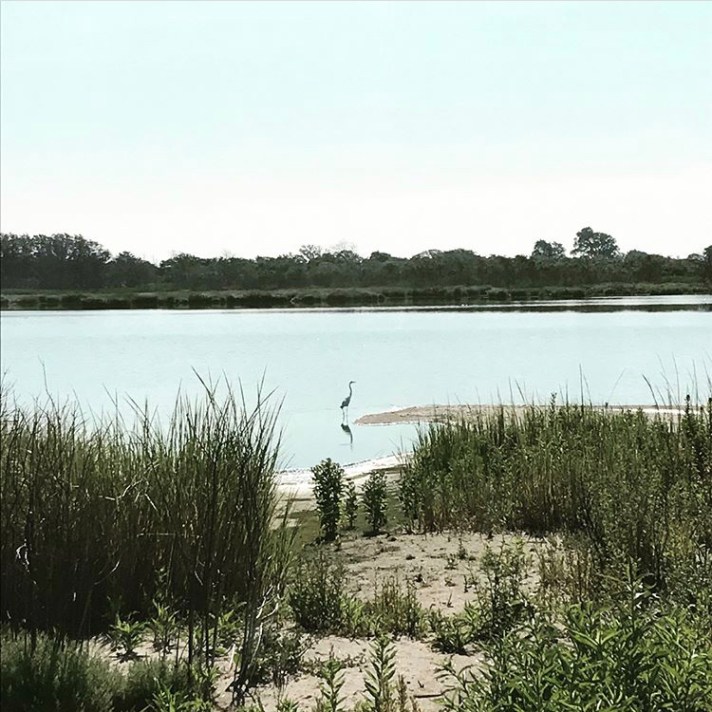
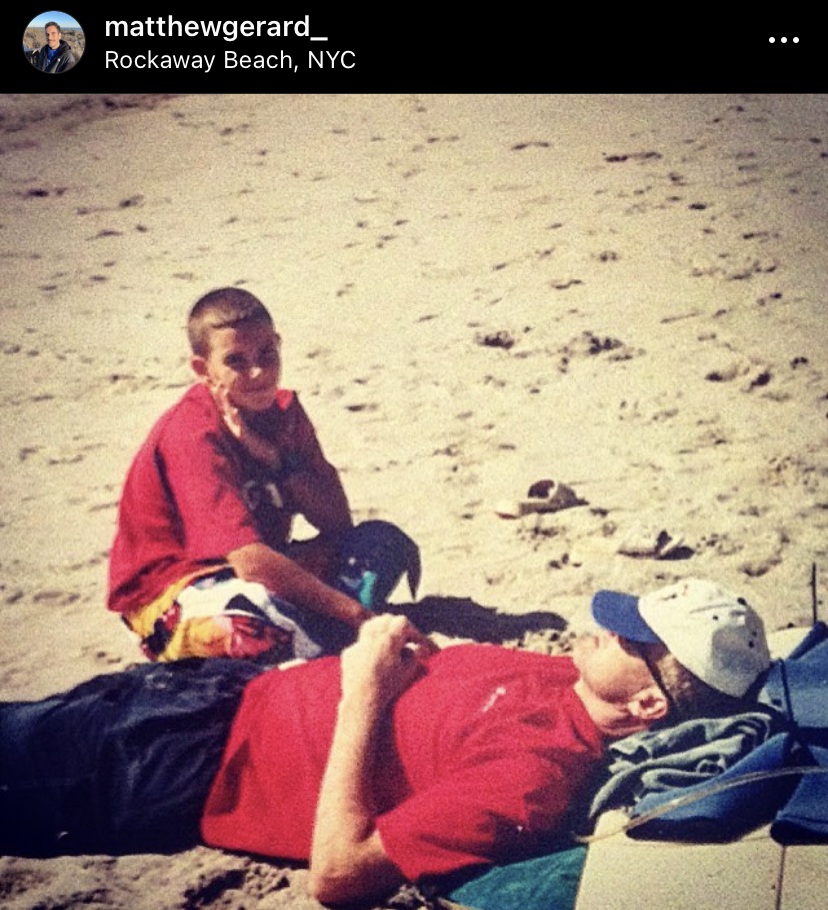
We walked around the trails of this vast marshland, which is a crucial stopping point for migratory birds flying South for the winter. The vastness of this area makes you feel like you are in a truly wild place. This is Jamaica Bay Wildlife Refuge in Broad Channel, Queens, one of only a few national parks in NYC (part of Gateway National Recreation Area). We often would fish on the beach and bay along Rockaway with my dad and mom, so I always had ample time to explore the wildlife in these areas.

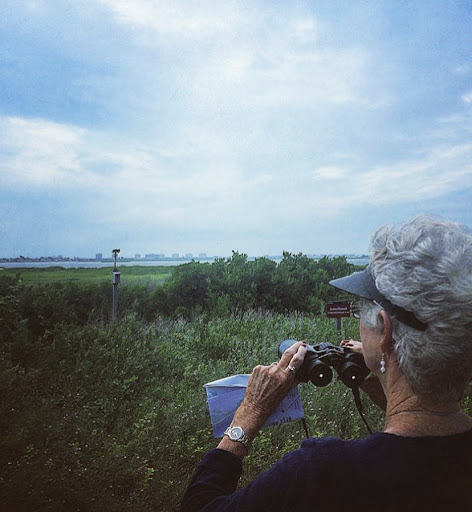
Jamaica Bay Wildlife Refuge, with my Nana (dad’s mom).
Broad Channel, Queens, NYC (photos by me, @matthewgerard_)

Where I grew up, in Belle Harbor (Rockaway Park) located in Queens, NYC, we are surrounded by water on 3 sides (the Atlantic Ocean to the South, Lower New York Bay to the West, and Jamaica Bay to the North).
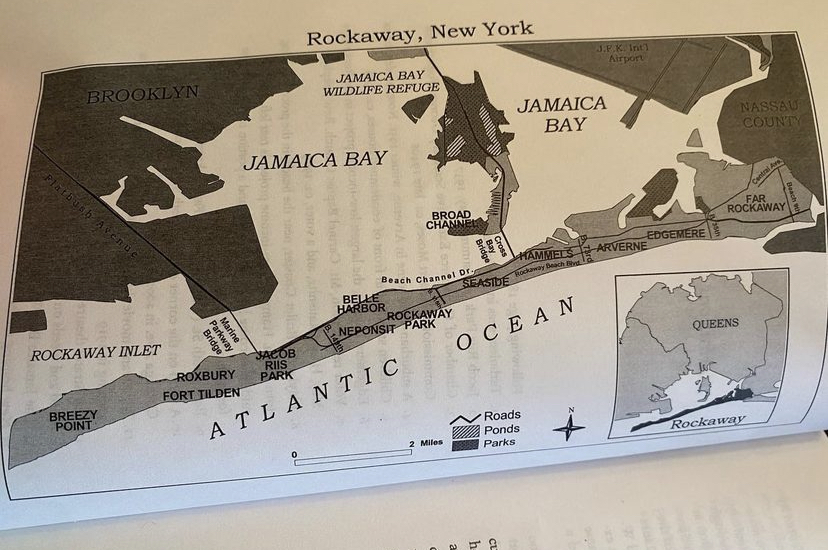
This map is from the book, Between Ocean and City: The Transformation of Rockaway, New York (2001).

I attended Xaverian High School, an all-boys Catholic school (at that time). With encouragement from my mother as well as my eccentric Spanish teacher in my sophomore year, I applied to be in the International Baccalaureate (IB) diploma program at the school. This led to me taking an IB Environmental Systems class in junior year, changing the way I thought about the world. The teacher presented environmental issues through a systems lens, and I never heard or thought about most of these environmental issues before this class. The seeds were planted for my interest in environmental studies.
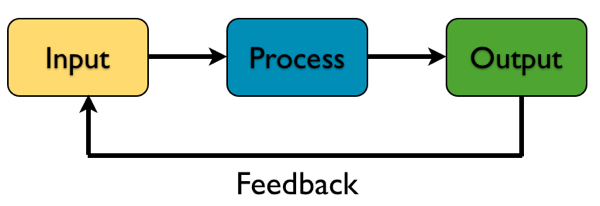
Photo: depicts the components of a simple system

But as much as life’s drive comes from our passions and things we love, we are also profoundly shaped by the darker things that are a part of our life.

When my dad was diagnosed with late-stage cancer at the start of my junior year of high school, the pressure of being in an accelerated IB diploma program and navigating his illness felt daunting at times.

I am so grateful to have had amazing teachers along the way who kept me going during this immensely challenging time.

Ultimately my dad passed on a few months before I graduated from high school, on March 12, 2010. Addiction and depression are also a part of my story and began a little before & around this time.

I was also suppressing core elements about my identity at the time, in fear that I could not live a happy life as an openly queer person. It wasn’t long before things became unmanageable, and I saw a doctor for medication to cope with the depression and anxiety. Unfortunately, even doctors can be misguided and easily manipulated, so although this was a temporary and necessary fix for me at the time that allowed me to continue, addiction and depression will reemerge for me later in this story. (I debated putting details of addiction and depression in here, but I think lessening stigmas of all kinds, including around mental illness, is so essential today).
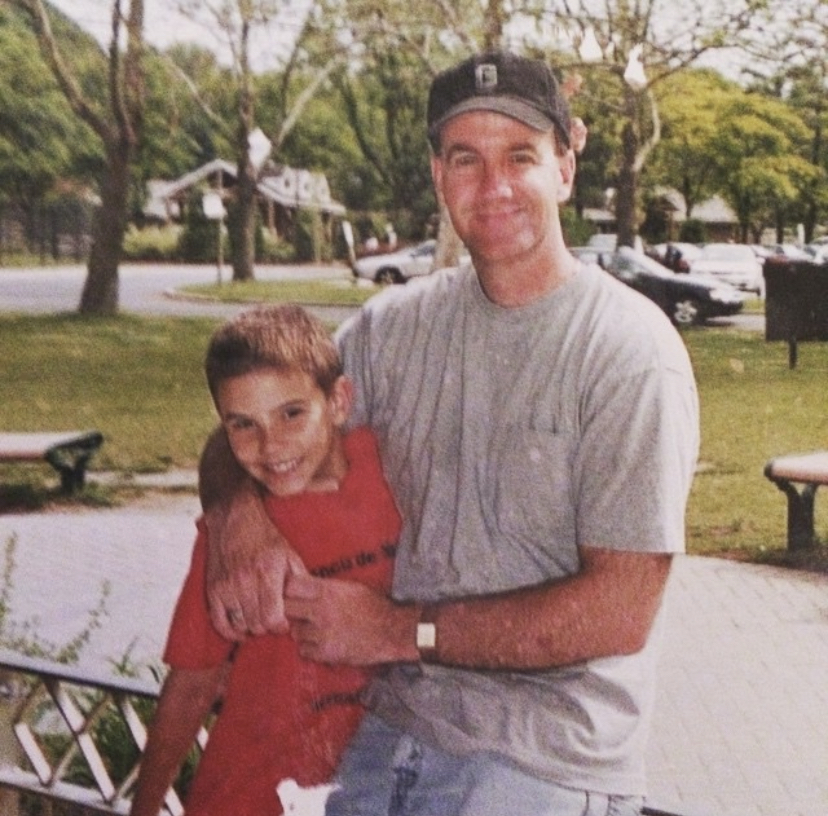
This picture was taken in New Jersey when my sisters and I would go to visit every other weekend for much of my childhood (@matthewgerard_)

I started attending SUNY Binghamton the following Fall 2010, where I would begin on a Pre-med/health major track. After seeing what happened in 2008 with the financial crisis, the health field felt like a safe bet for ‘success’. However, it never felt like I was following my passion in any particular way.

In sophomore year, I decided to take an Environmental 101 class. I was extremely captivated by Dr. Andrus’ lecture on the many issues and root causes of the most pressing environmental issues of our time. I was brought back to when I was passionately activated in high school when I took the IB environmental course, which led to me declaring my major in Environmental Studies at the end of that year.
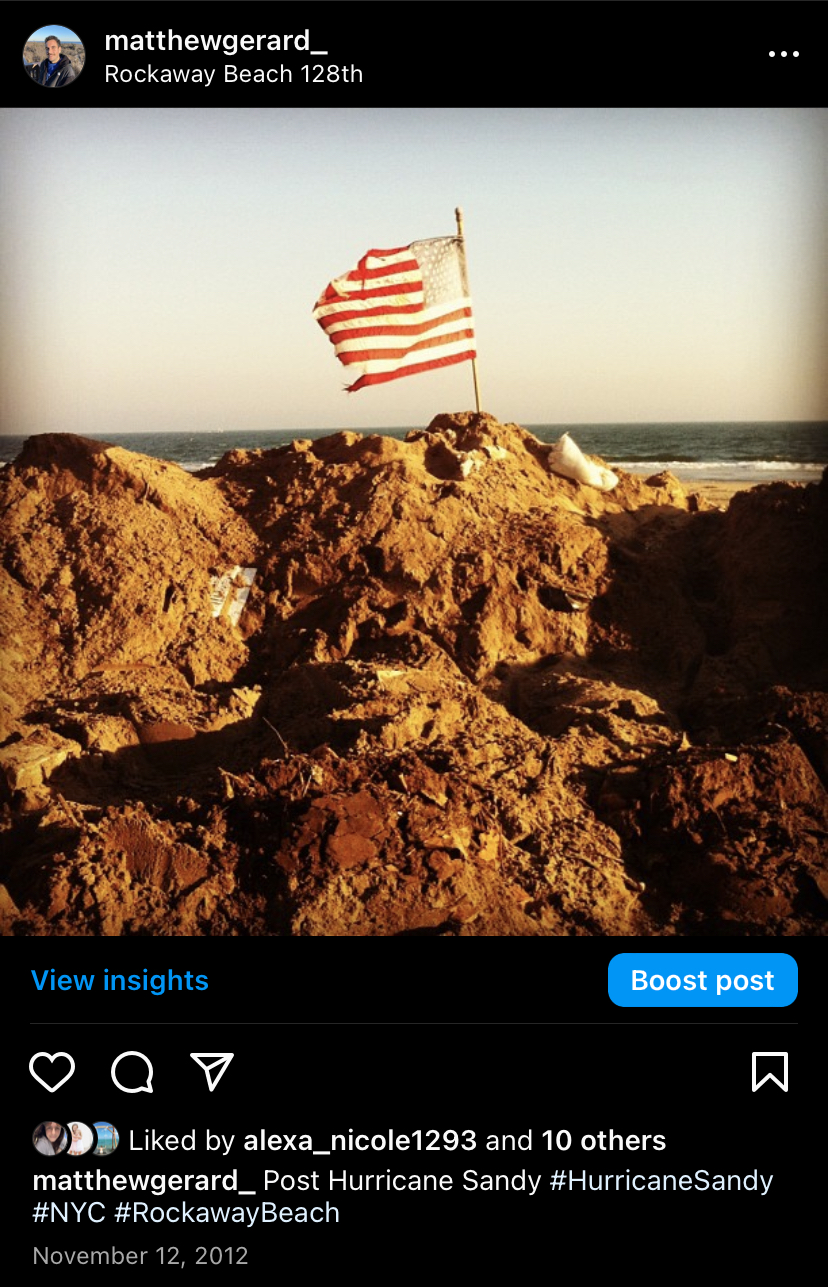
Photo: During my time at Bing in November 2012, Hurricane Sandy destroyed many areas, including the neighborhood where I grew up. It highlighted for me the importance of studying climate change and sustainable development strategies for building resiliency in our society.

I had the amazing opportunity to attend a trip to Costa Rica to complete a Tropical Ecology course for July during the summer between my sophomore and junior year at Bing. About 15 of us stayed on a site that did not have wifi or cell phone service and was an hour and a half journey to the nearest city center. This experience was invaluable to me and helped me grasp the scope of biodiverse ecosystems that are here on Earth, and gave me an urgent sense to be a part of the environmental movement in some way. It also provided me with an alternate perspective on success, as we were hosted in the community by such welcoming, generous, happy people, but they did not have much in terms of wealth or disposable income.
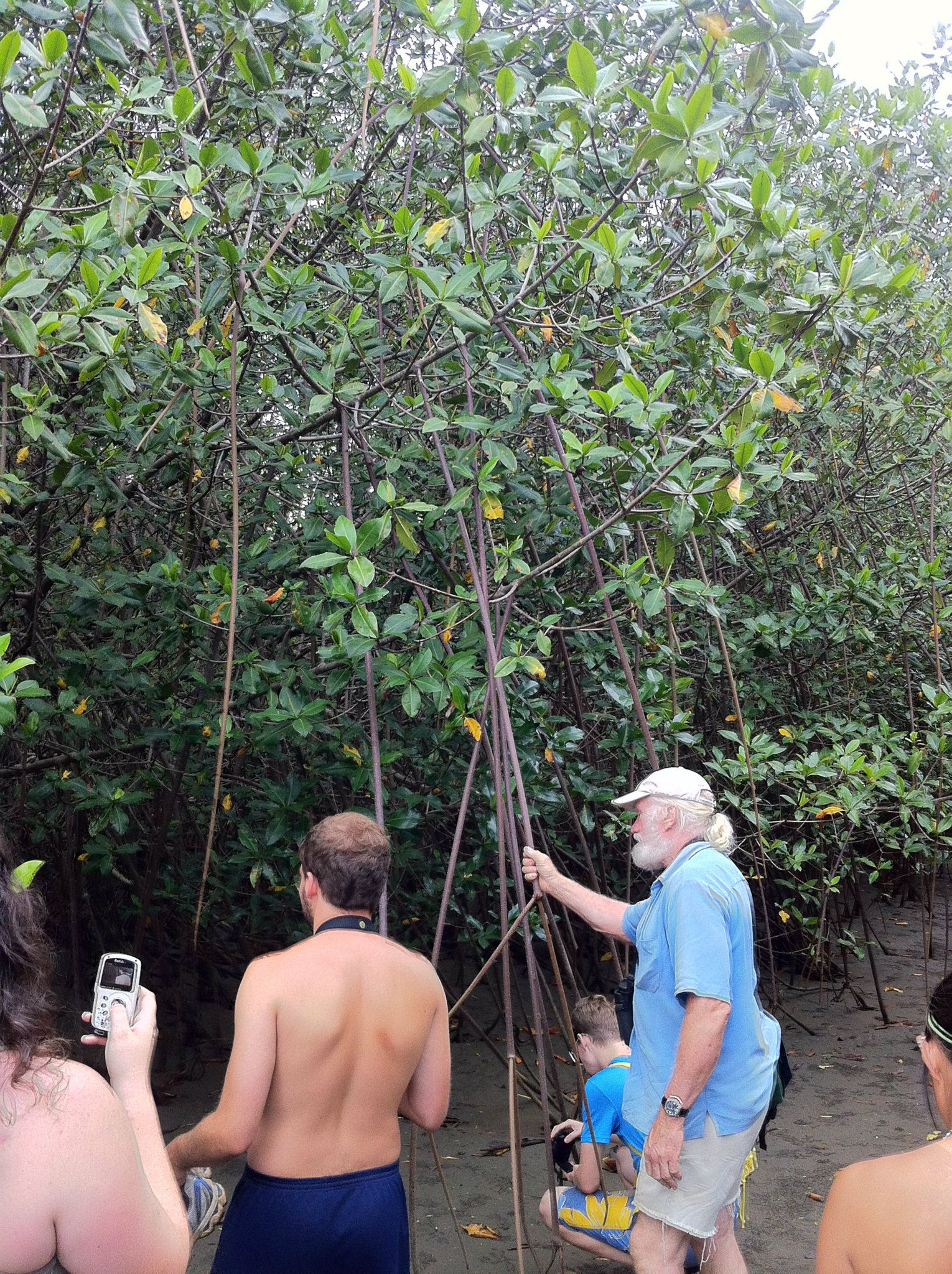
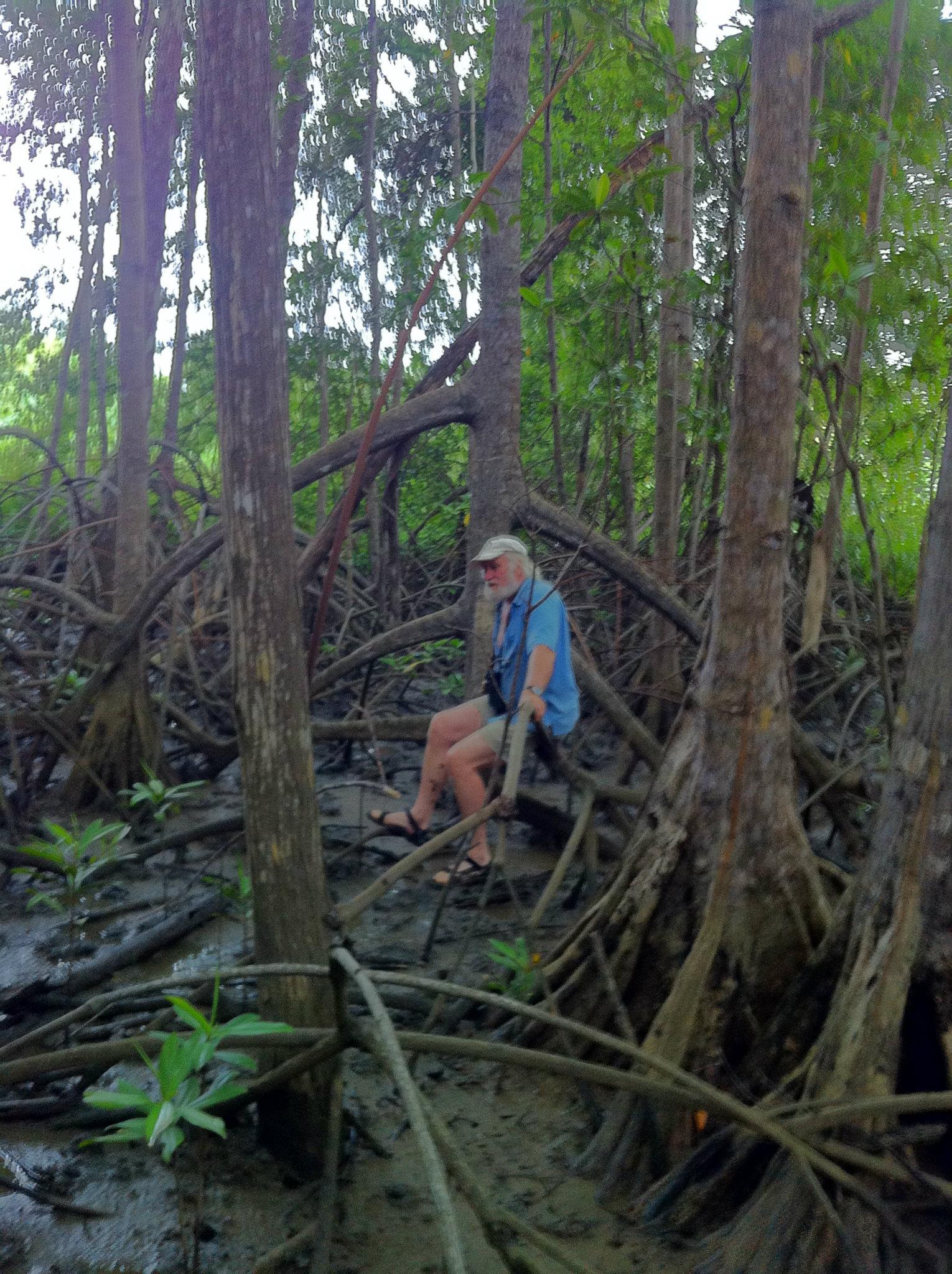
Dick Andrus discussing the importance of mangrove forest ecosystems (@matthewgerard_)

I was also very lucky to have an influential professor at Bing, Dr. Andrus, who founded the environmental program at the university decades earlier and sparked my interest in that Envi 101 lecture in 2011, and who ran the trips to Costa Rica.
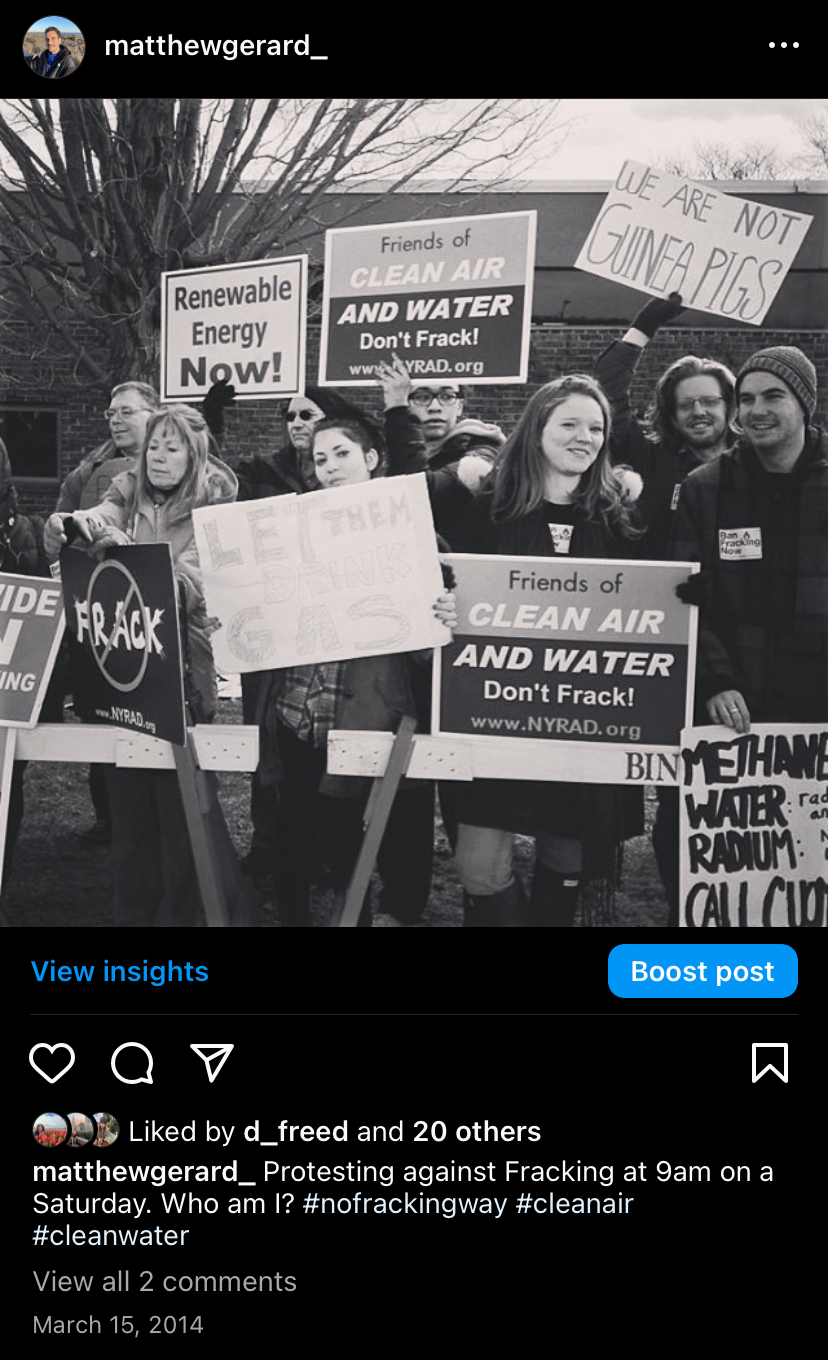
While I was at SUNY Binghamton, I was so grateful to have access to a free psychotherapist on campus named Sefali. She was a tremendous help at convincing me that I could live a happy life as an openly queer person, and she taught me the skills of cognitive behavioral therapy (CBT) that were crucial in me getting off medication in the years to come. As I became more aware of who I was, my voice was activated at my first protest against hydrofracking in NYS (which is thankfully still banned in NYS today).

I graduated from Binghamton in May 2014 with a B.S. in Environmental Studies, however I was not sure what type of job I would ultimately get with this degree because of its broad nature. I decided to apply to graduate schools, in hopes of furthering my education around environmental issues and solutions.

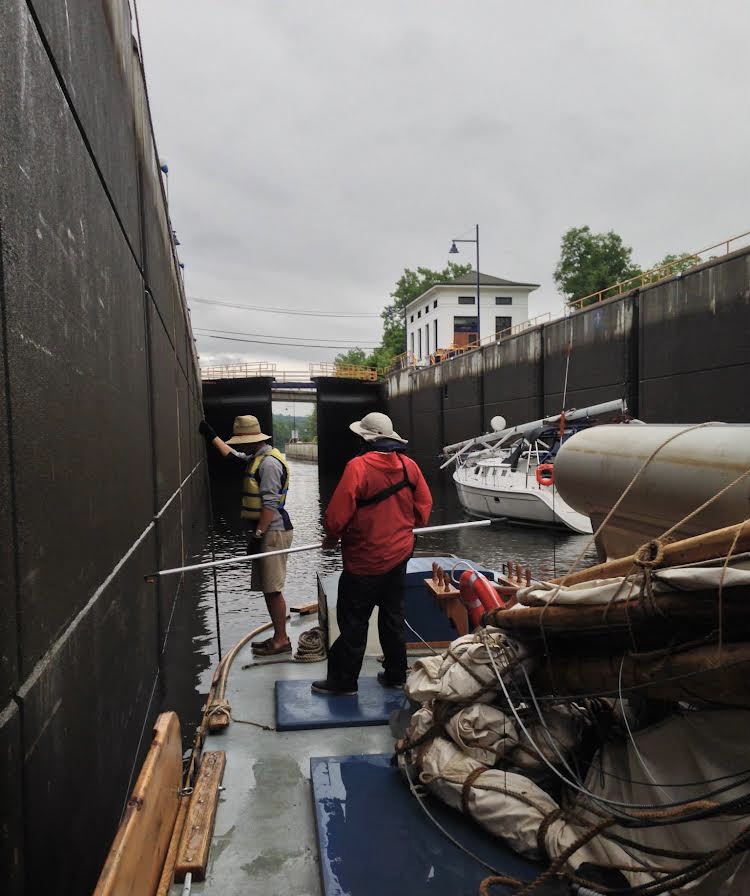
As I waited to hear back from schools, I volunteered with the Vermont Sail Freight Project in the summer following graduation. The goal of this project was to connect Upstate & Vermont farmers with the lower Hudson Valley and NYC to farm goods via sail transportation through NY State’s historic canal lock system. Dr. Andrus’ son, Erik, led the initiative and is primarily a rice farmer and baker in Vergennes, Vermont. I lived on Erik’s farm for a month as we inventoried and coordinated goods to sell from on the 30-foot, volunteer-built barge along the Hudson River.
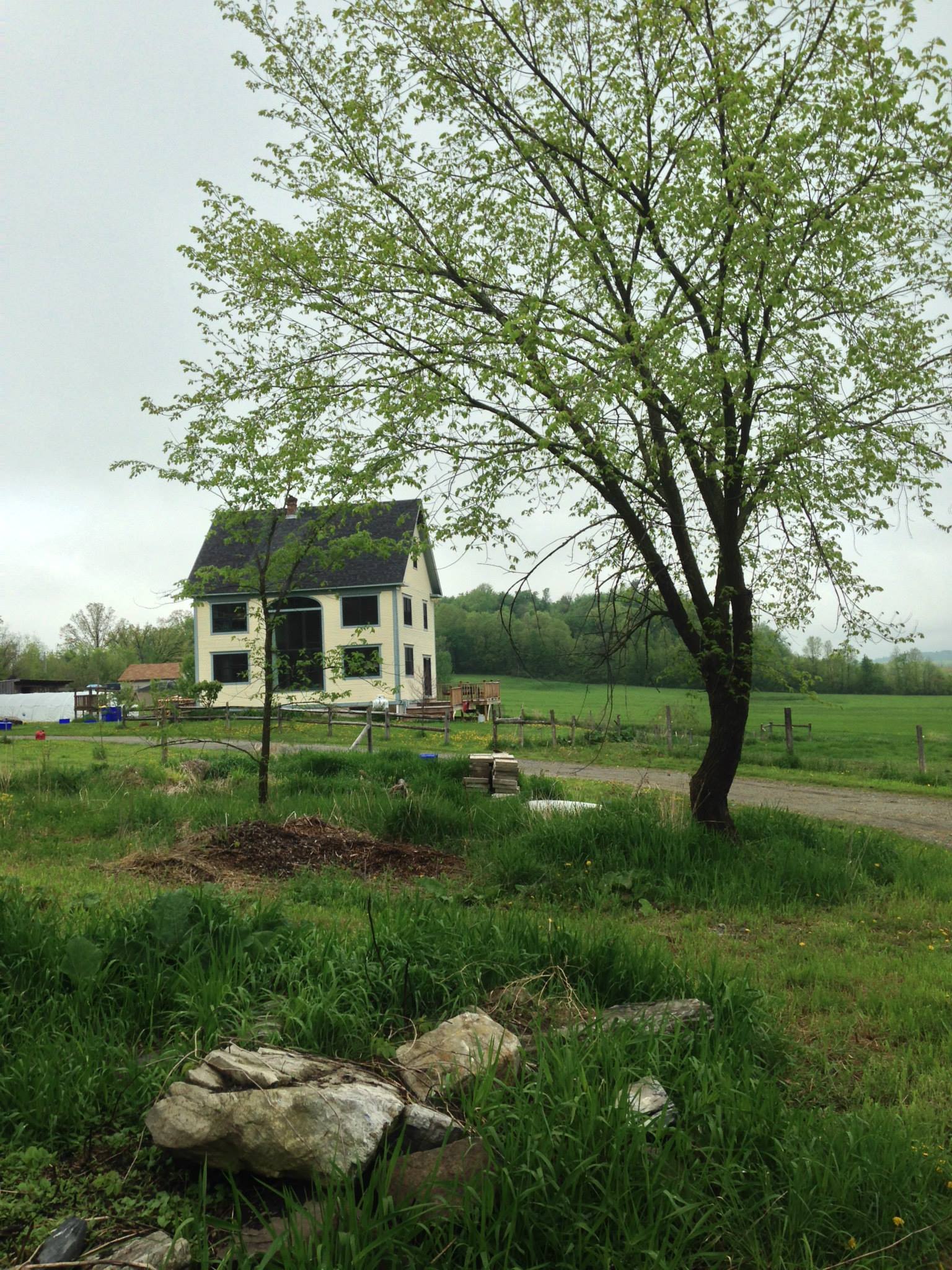
Erik & Erica’s idyllic farm and home in Vermont (@matthewgerard_)

Loading the cargo onto the barge staring at Lake Champlain (@matthewgerard_)

As our four-to-five-member crew made our way down the Hudson River, I learned so much about sailing terminology and practice, the history of the lock system and NY History, and about our local food system here in and around New York State and volunteerism. It was a ton of work, and I am so grateful for the perspectives gained working on this project.
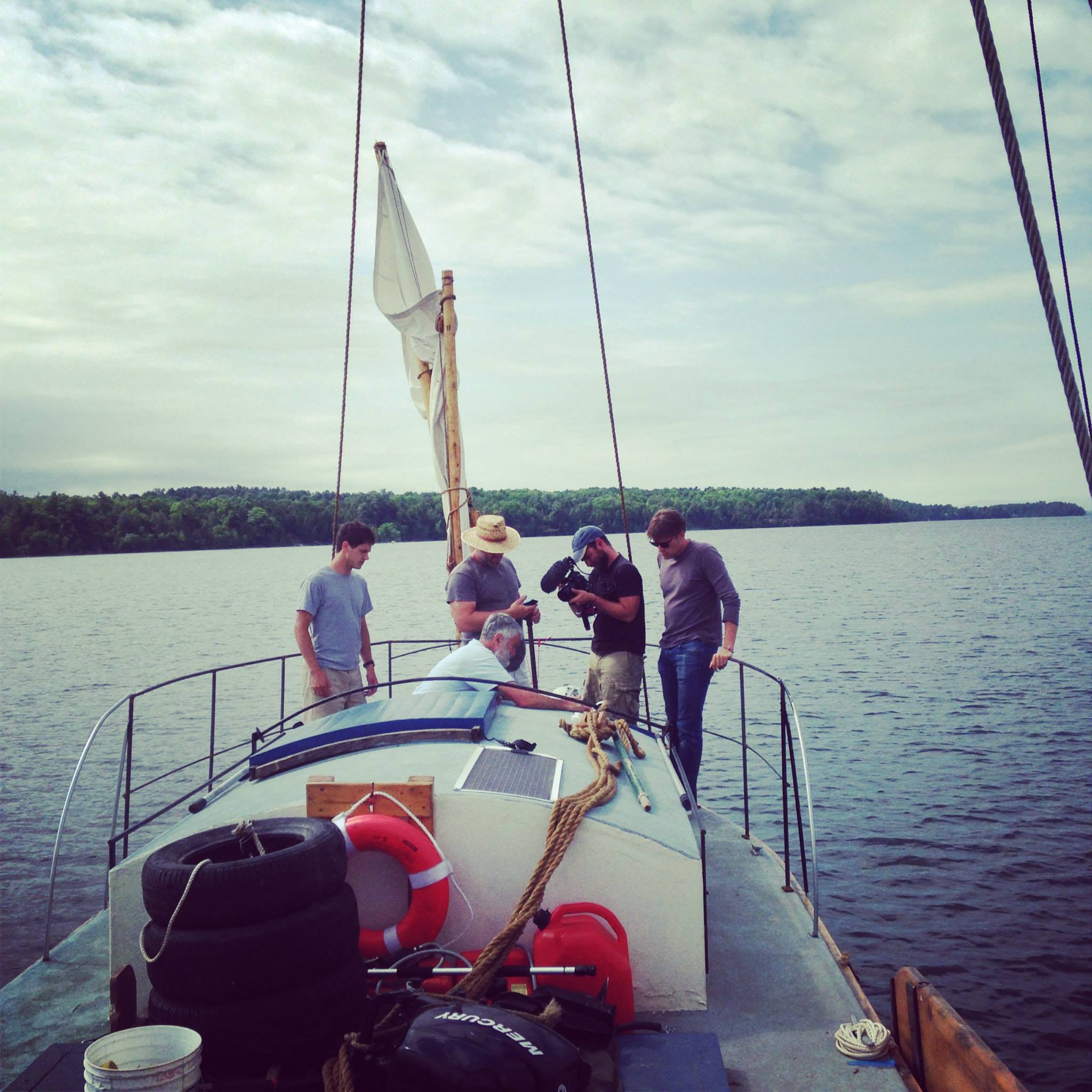
French documentarians on board the barge as we made our way to the next farmers market in the communities in the Hudson Valley. (not sure what ever came of their footage). (@matthewgerard_)

Picture of NY States Canal System consists of a series of locks connecting different canal segments that make it possible to get from Lake Champlain to the Hudson River. (@matthewgerard_)

On the Vermont trip, I found out I was accepted to a Master’s program at St. Edward’s University in Austin, TX, and another Environmental Science program at Pace University campus in Westchester. I was still not convinced that I wanted to live in NYC, and Westchester sounded a lot like Binghamton to me, so I decided to go to Austin.

The program at St Edward’s University was a Professional Science Master’s degree in Environmental Management and Sustainable Development, and it was one year in Austin, one semester at their sister school, Catholic University of the West (Université Catholique de l’Ouest, UCO) in Angers, France and one-semester doing research in the field of sustainable development to complete a thesis in a place of your choosing.
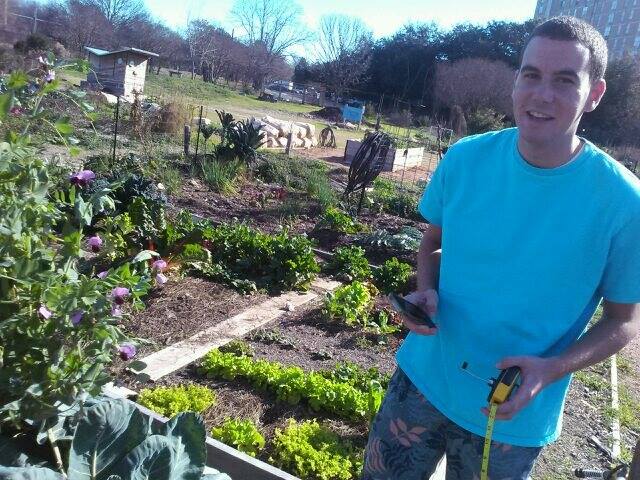
Photo of me in Austin conducting a research project on measuring community garden output in the City of Austin. (@matthewgerard_)
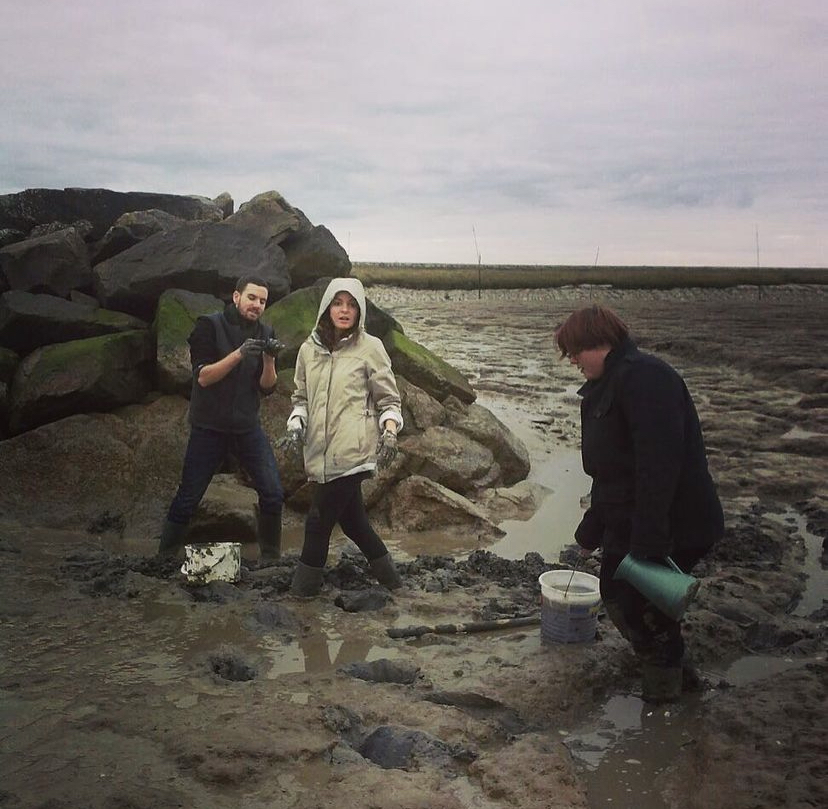
This is a photo in Wimereux, where we took a field trip during my stay in Angers, France. The master’s program included the study of ecology, sustainable development, and project management, as well as designing and conducting research projects. (@matthewgerard_)

Photo of Tessa and I with the Gamboa Family, who graciously hosted us for several months on the same property that SUNY Binghamton had brought us to back in my undergrad trip to complete a tropical ecology class. (@matthewgerard_)

To complete the master’s program, I returned to the same village in Southwest Costa Rica, and the Gamboa Family hosted my research partner and me. A special thanks to Mari and her family for always being welcoming, and generous and treating us like family during our several-month stay. I am so grateful to be able to have returned to such a unique place for a research project measuring the amount of carbon stored in old-growth and secondary-growth tropical forests.
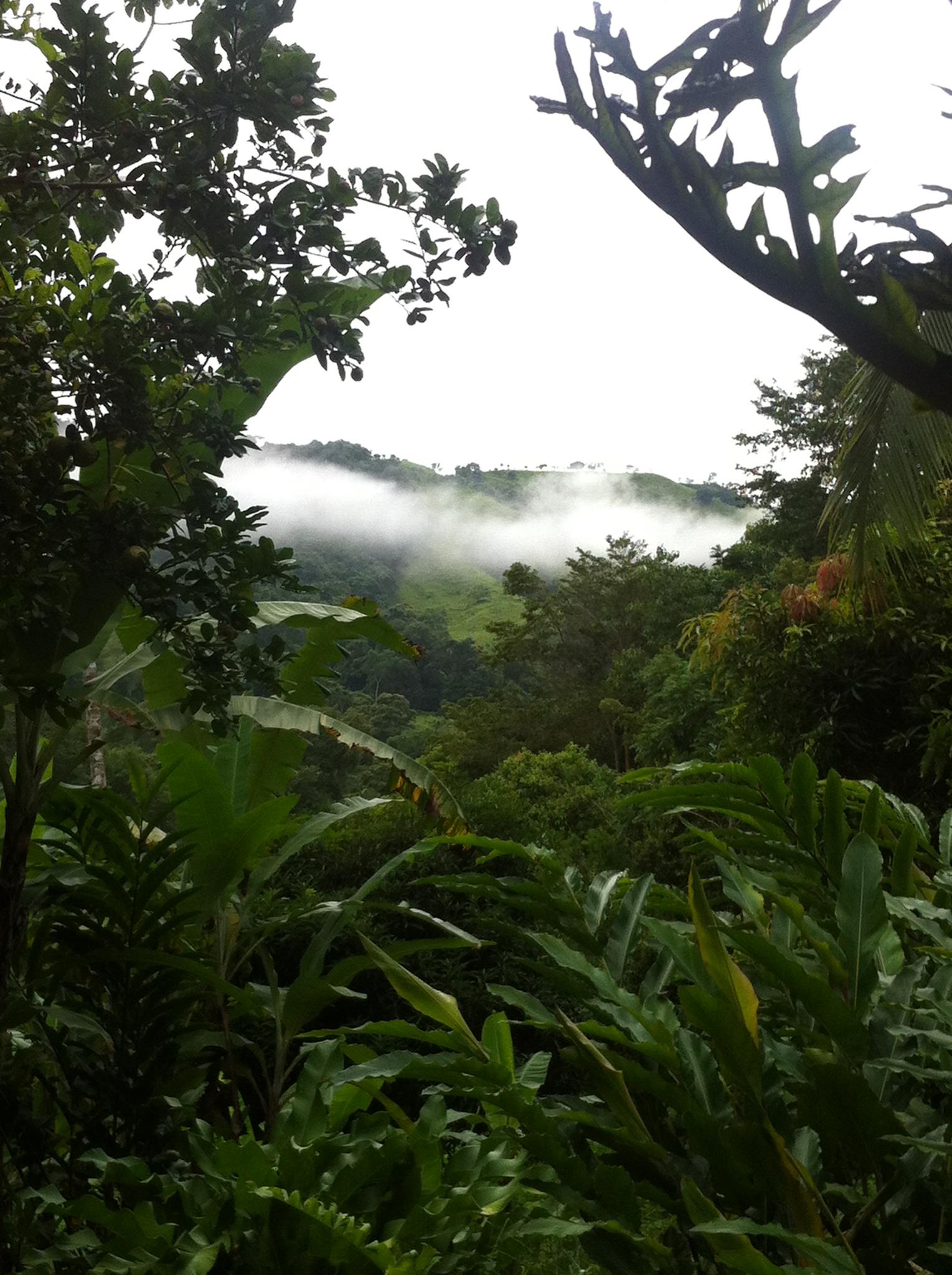
Tres Piedras is the name of the village where we stayed, located along the Guabo River in rural Southwest Costa Rica. (@matthewgerard_)

As magical of an experience it was living in a tropical forest for 3+ months, conducting research to write my master’s thesis, the experience was equally as painful for me because of a medication that I had been prescribed for going on 6+ years since my dad’s passing was no longer working as intended. The first signs of a tolerance buildup to the medication were evident to me, however, I was managing it still with the help of my doctor. I decided to move to Hawaii with my (ex)boyfriend, who I met in France, and was now starting a graduate program in Honolulu. I had just graduated from my master’s program and was searching for work in the environmental field on the island of Oahu.

A medication, belonging to the class of drugs known as benzodiazepines, used to treat anxiety, began to work less and less over the years as my body gained tolerance to it (a common issue with prolonged use of benzodiazepines). I found myself in a situation of extreme anxiety when living in Honolulu, as the drug worked less and less and when trying to gradually come off numerous times had failed, and with a doctor always quick to up the dose when I complained of symptoms. The dangerous truth is that the majority of people might need these medications for a short time, but they are not intended for long-term use. They also are considered depressants, so depression is inevitable with long-term use. After about 5 months, I moved back to NYC to get support from family as I realized I needed to get off this medication at whatever cost or it would ultimately take my life.

Photo from my time living briefly in Moiliili, Honolulu, Hawaii (@matthewgerard_)

I knew what my issue was: dependency on a medication I’ve built tolerance to and that I’ve tried to stop taking for so long. I was determined to come off of the medication so I checked myself into a rehabilitation facility focusing on substance abuse disorder in Hampton Bays, Long Island for 21 days (after about a week I was able to leave, but I opted to stay because of how jarring coming back to reality was after detox). It was actually extremely important to go through with a medically supervised detox from the amount and duration I had been taking that benzodiazepine; I was at high risk for seizures during these 8 days of pure hell. That decision to go to LICR (Long Island Center for Recovery) truly changed my life and has allowed everything that followed to be possible.

My experience speaks to the need for universal healthcare and taking paid leave. I was still on my mom’s health insurance and I was able to live with her during this time, so this privilege allowed me to take the time I needed to get healthy again.

While living with my mom after the rehab, I was working as a waiter at a local restaurant and attending (Alcoholics Anonymous) AA meetings regularly. I didn’t think I was an alcoholic, but it runs in my family and is also part of the substance use disorders (like addiction), so I felt immense comfort in having a strong sense of community and accountability in working towards the same goal that AA provided to stay sober. Taking the time I needed to get sober was foundational to my future. It is no exaggeration to say I would not be here today if I did not do it.

After 6 months of being sober and having more clarity of purpose in my life, I felt like I could use my education to make a difference in people’s lives as a teacher (like some of my inspirational teachers did for me in my life). I applied to become a public school teacher through the New York City Teaching Fellows program and was accepted to teach summer school in the Summer of 2017. I soon got my first apartment after grad school, living on my own in my neighborhood of Belle Harbor, where I grew up, and the landlord was into urban gardening!
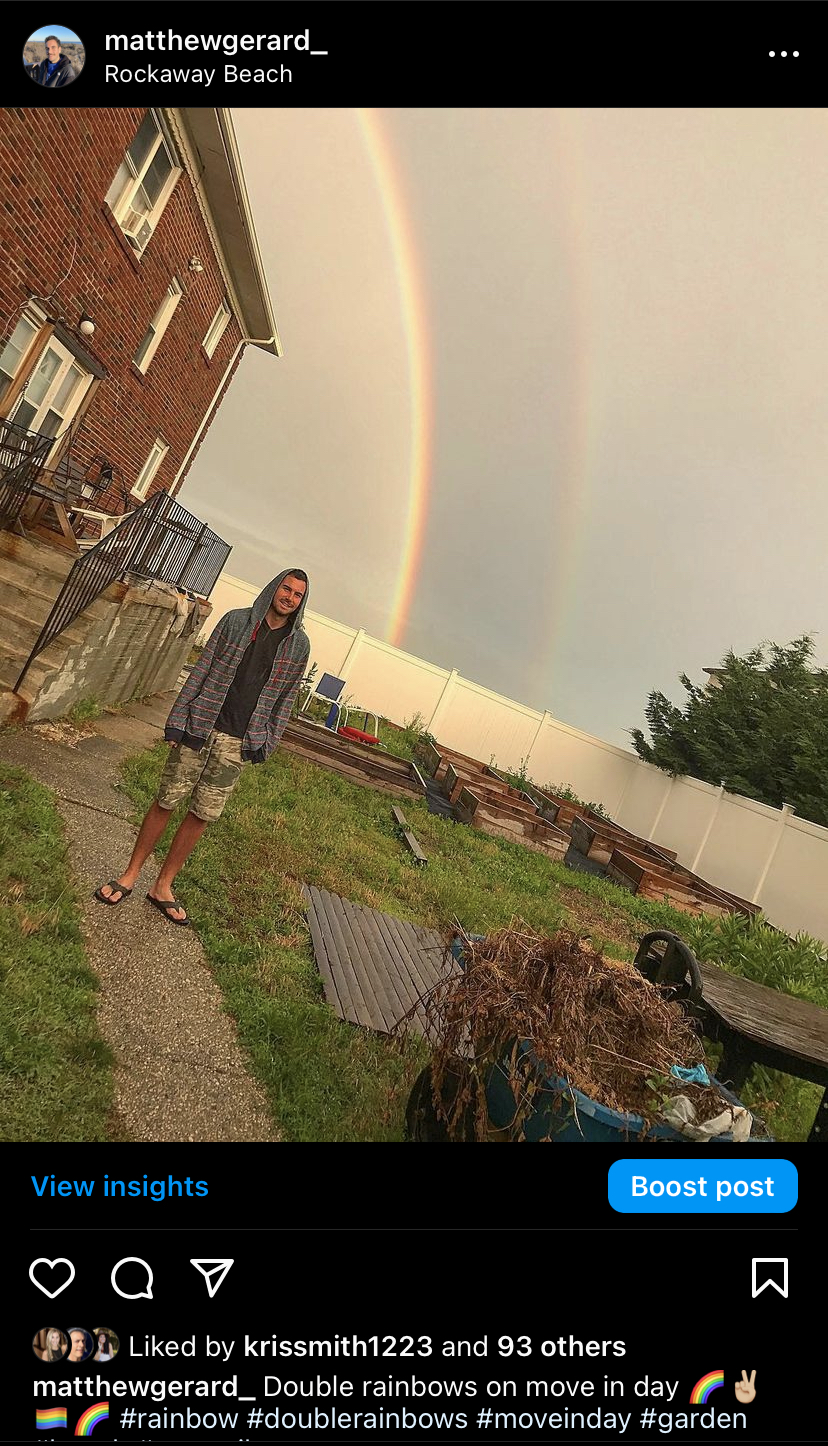
After completing the summer portion of the Teaching Fellows program, I was given a transitional license to be a full-time teacher that Fall, while I took classes at night to get a Master’s degree in Teaching at CUNY Brooklyn College. I taught high school that fall for 3 living environment and 2 AP environmental science classes (about 150 students) at William Cullen Bryant High School. I was soon extremely disillusioned by being a part of the immense system that the NYC Department of Education is and having an unsupportive school environment to navigate it all as a new educator (where constantly evaluating a teacher is viewed as the primary means of support and the school administration does nothing to support teachers in a meaningful way).

I felt I had made the totally wrong decision to become a teacher so fast, and I was totally burnt out. The depression was setting in faster than I’d ever experienced, this time due to environmental factors rather than medication tolerance-induced. I knew the quickest solution was to change my environment and invest the money I had in myself to figure out what to do next.

By December 2017, I resigned from the DOE in one of the toughest decisions I’ve ever made in my life. The students would have been why I stayed because they deserve a quality education, but I realized if I did not make a major change, I would have to go on medication for depression if I stayed in the situation I was in (whether or not this was true or if my feelings were warranted, I carry with me a hesitancy for medications after my experience with the doctor I saw in late teens/early to mid 20’s).

I realize how much of a privilege it was to be able to resign from my position as a public school teacher, and I credit having the savings to my dad who had written into his will that none of the children were to receive any of his life insurance money until we reached the age of 25. I still had enough in savings to take 4-5 month break to pay for my necessities and realize my next steps, both professionally and personally. I did have to work hard to prioritize my own health after I resigned, exercising and eating well to combat my depression over time, as well as focusing more on meditation, yoga, and skill learned in therapy (CBT). I gained a lot spiritually from taking this pause for myself, and I’m so grateful for being granted such a space. I absolutely needed to do these self-care acts daily for some time before they became routine and contributed positively to my well-being in a meaningful way.

Thank you to my family and friends for your grace and support during these years. I am grateful to say I am still counting the days I have sober from my drugs of choice since the rehab stay in 2017 (6+ years and counting).

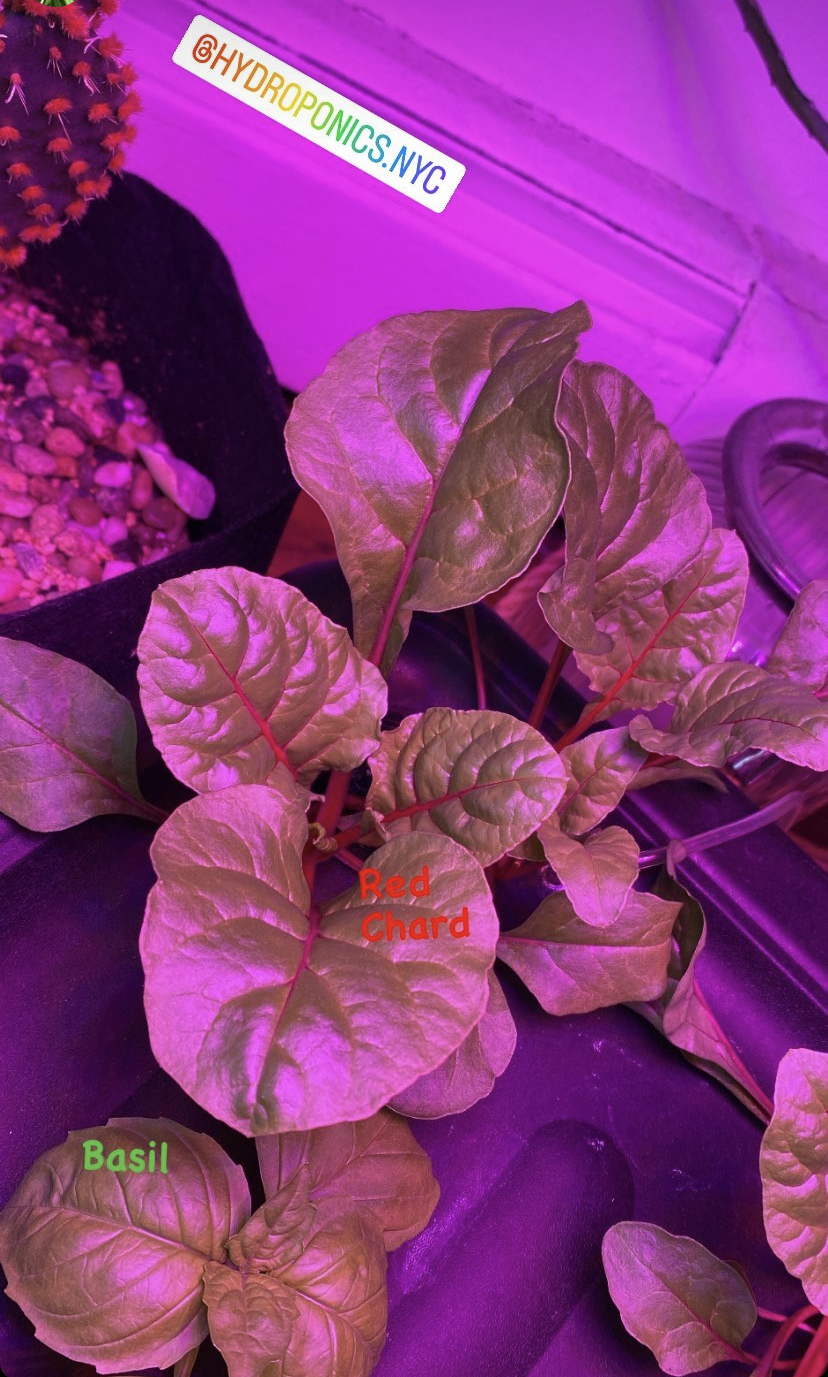
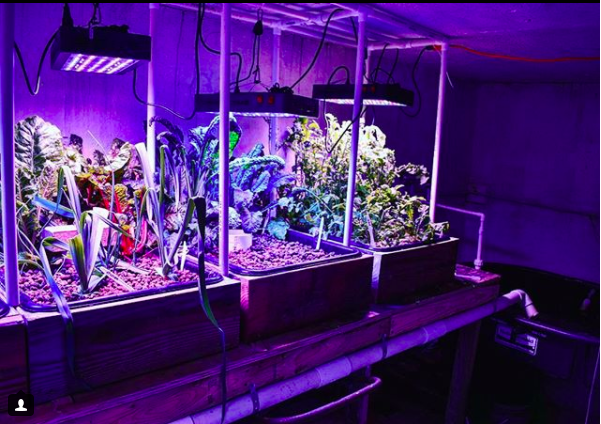
This is a photo of my former landlord’s hydroponic indoor garden she used to grow food for her and her brother. It drew me to my former apartment, which was situated just next door to this room. When I was teaching I had no time to put it in context, but once I had some time, it began to make me wonder:

Who might be working with a hydroponic system to grow food in NYC?

This led me to take a couple of workshops around introductory DIY hydroponic systems with an organization formally known as AgtechX, now merged with Agritecture in the Spring of 2018. I met interesting people who were all working towards building a more sustainable food system right here in NYC. After putting myself out there and networking at these workshops, people pointed me in the right direction of other organizations that worked at the intersection of education and the environment (like GrowNYC and Teens for Food Justice). At this point in my life, I was determined to find a job in the food system, while somehow using my education experience too.

I began working full-time as a farmer’s market manager for GrowNYC at their Greenmarkets and Youthmarkets around NYC, managing one market in Bensonherst, Brooklyn, one in Long Island City, Queens, and one in Morrisania, the Bronx. This job was challenging and rewarding, though I did not need my degrees for the job, it helped me strengthen my sense of place and got me to really love NYC (and wanting to live here long-term).
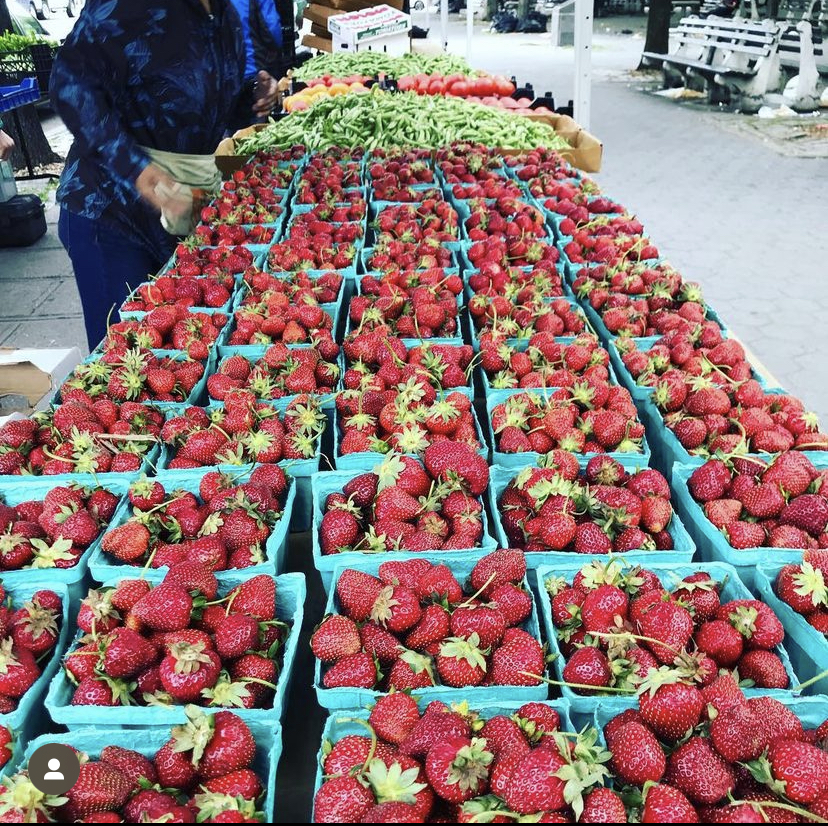
Photo at Bensonhurst Greenmarket in the Summer of 2018.

At the same time, I drove to the Bronx every Wednesday afternoon in the Spring of 2018 to be a mentor at Teens for Food Justice’s afterschool program. This experience showed me the possibilities for large-scale hydroponic systems to be used in school settings to merge teaching STEM, food justice and advocacy education, and workforce development with high-tech urban farming.

Photo of my first DIY hydroponic system I built from scrap materials after gaining confidence from workshops and Youtube videos, as well as growing inspired by Teens for Food Justice (TFFJ) and my landlord’s systems, built in the Winter of 2018.
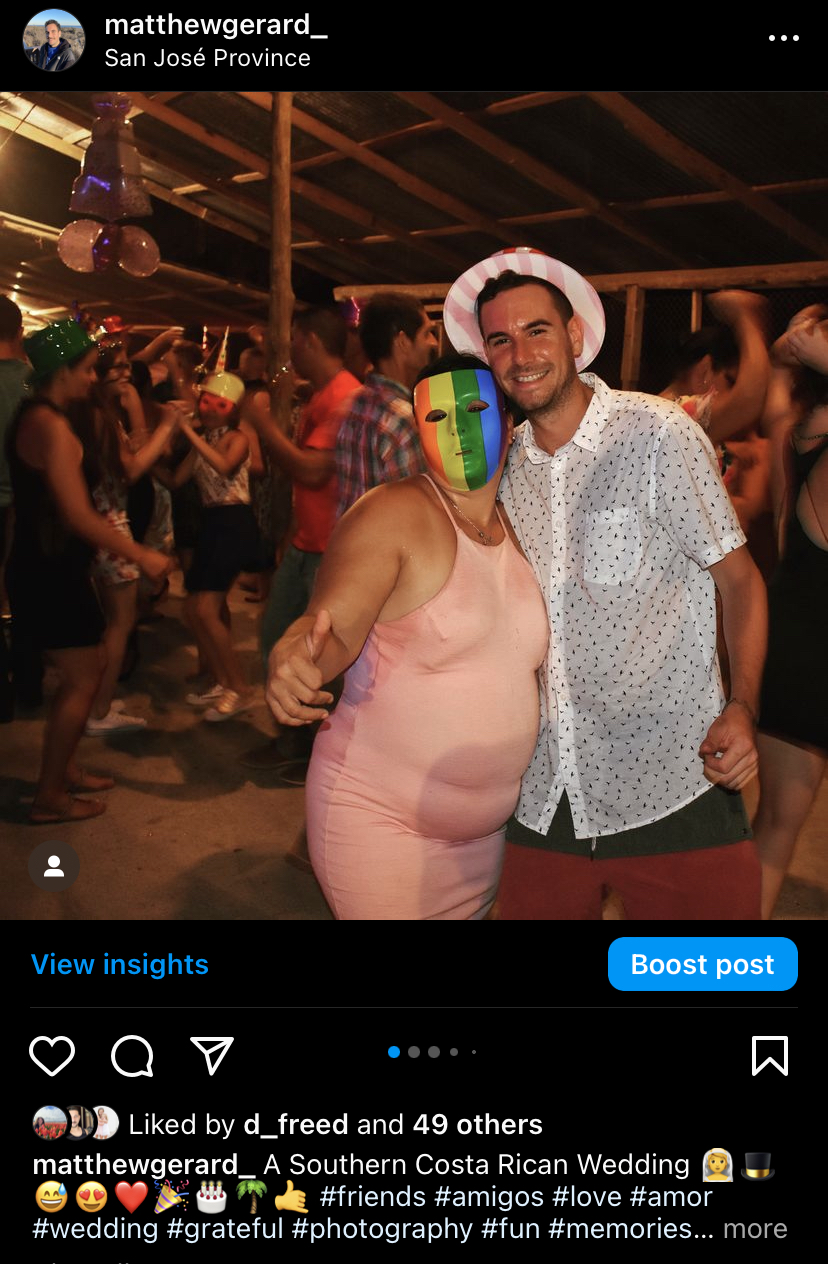
During this time (Spring 2018), I was able to return to the rural village where I visited in my undergrad and graduate school and reconnected with Mari and her family. They had a family wedding happening, and I’ll never forget how Mari welcomed me with this LGBTQAI+ mask to make me feel more comfortable. They are very religious here in this part of Costa Rica, so it really meant a lot to me, Love you all ❤

GrowNYC promoted me to be the Operations Coordinator at their flagship Union Square Greenmarket in the Fall of 2018, while I was simultaneously working at Teens for Food Justice part-time as their curriculum writer.

However, after only a few months at my new GrowNYC job, I was offered a full-time position with Teens for Food Justice as their Curriculum Development Coordinator to develop their school day curriculum around hydroponics and train teachers around the curriculum. I decided to leave GrowNYC, even though I loved working with those people, and at that location, I felt I would grow more professionally in the position offered to me at TFFJ. I am so grateful to still be working for them today as their STEM Programming & School Partnership Manager. Both TFFJ and GrowNYC opened my eyes to the inequities between communities right here in NYC.

Please feel free to read about my experience working with TFFJ in my recent blog post highlighting an article written about my work in St Edwards University Magazine.

Thank you all for reading if you made it this far, this blog turned out to be much longer than I anticipated, and I certainly could write a full blog post about each of these chapters of my life.

May you receive it with peace and equanimity,

Matthew (he/they)

@matthewgerard_

This post is dedicated to my dad, who passed away 14 years ago this week from a non-smoking form of lung cancer.

May he rest in love ❤ 3.12.10 ❤
NEPA Rollback & Environmental Justice — July 17, 2020

NEPA Rollback & Environmental Justice

When people say ‘let’s not dwell in the past,’ or ‘let’s not get too political,” I often cringe. I certainly see the value in not getting too caught up on some issue to the point where you become stuck, but I also see the harm it causes to not give voice to past injustices. By denying or refusing to acknowledge a people’s history, those in power (those who historically have been white people) create an alternative narrative that erases history and increase their own sense of worth, while at the same time further marginalizing people with less status and wealth (those who historically have been Black, Indigenous, and People of Color (BIPOC)).

We can only begin to uncover the oppressive structures and systems in place that perpetuate inequality and segregation in housing and education among black/white and rich/poor if we tell the stories of the past with honesty and clarity. Stories are a crucial way we reflect on and chronicle our lives, and they give meaning to our sense of place and place in time. Stories have been used to oppress, but they can also be used to liberate and heal.

Additionally, what policies and history contributes to the disparities we see across black and white communities in NYC and the USA in general? More specifically, why are our communities so unequal in terms of environmental burdens and other social determinants of health? I intent to explore these questions through my next series of posts more in detail. I believe part of it is because systematic racism exists at all levels of society (government agencies included), and the many cumulative effects of the policies enacted by these structures over time has lead to severe social inequities between white and BIPOC communities.

Recent news of President Trump’s plan to continue to roll back environmental regulation, specifically to make changed to NEPA (National Environmental Policy Act). I will briefly outline what NEPA is here, and what the proposed changes mean for social and environmental justice.

NEPA (National Environmental Policy Act) was signed into law under President Nixon in 1970, and it established a Council on Environmental Quality (CEQ) under the Office of the President, and required that all federal agencies’ projects to undergo an environmental assessments (EAs) and environmental impact statements (EIS), to weigh the costs and benefits of a proposed project to society, the economy, and the environment. NEPA also more broadly asserts that each person has a responsibility to enhance and preserve the environment for future generations, laying a framework for a more sustainable national environmental policy.

While I was an undergraduate student at SUNY Binghamton, I had the chance to take an Environmental Impact Statements class, where we learned how to prepare impact statements and all the components that are supposed to be considered before a federal project can proceed.

One of the main components of any EIS/EA is to consider the cumulative effects of the proposed actions. Rather than just considering the direct effects of the proposed project, it is equally or more important to consider the “combination of individually minor effects of multiple actions over time, or cumulative effects” (Source 1, see below).

From Council on Environmental Quality’s (CEQ) regulations for implementing the National Environmental Policy Act (NEPA), a cumulative impact is:

“the impact on the environment which results from the incremental impact of the action when added to other past, present, and reasonably foreseeable future actions regardless of what agency (Federal or non-federal) or person undertakes such other actions (40 CFR ~ 1508.7). (Source 1, see below)”

This part of NEPA, when applied appropriately, has been used to assess the cumulative impact of carbon emissions and its effect on climate change, and to address environmental justice issues that arise from the disproportionate implementation of harmful environmental projects in BIPOC communities, like highways and toxic waste facilities construction. (In a future post, I plan to dive more deeply into the history of this in NYC, specifically under NYC’s Parks Commissioner Robert Moses and the construction of the Henry Hudson Parkway and Mosholu Parkway during the 1930’s, which divided Van Cortlandt Park in the Bronx, home predominantly to BIPOC, creating 6 segmented parts of this once continuous greenspace) (Source 2, see below).

Development projects across the US have historically left out the input from BIPOC community members, leading to disparities that are cumulatively added to over time. We must protect NEPA, and even strengthen it in this unprecedented time of social inequity and ecological destruction. Rather than dilute consideration of environmental justice issues, these cumulative impacts should be top of mind and priority for those entrusted to run our federal agencies here in the USA.

Thank you for reading, and I hope you follow along as I discover the histories of NYC’s development that led to the segregation we experience in health, housing and education today.

@Hydroponics.NYC
@Matthew_Gerard_

Source 1:

President’s Council on Environmental Quality (CEQ). (n.d.). INTRODUCTION TO CUMULATIVE EFFECTS ANALYSIS. Retrieved from NEPA.gov: https://ceq.doe.gov/docs/ceq-publications/ccenepa/sec1.pdf

Source 2:
SEIWELL, E. (2019, February 19). Van Cortlandt Park Erases History . Retrieved from FordhamObserver.com: https://fordhamobserver.com/38076/features/van-cortlandt-park-erases-history/

Build A Deep Water Culture (DWC) Hydroponic Garden in Less than an Hour — August 9, 2019

Build A Deep Water Culture (DWC) Hydroponic Garden in Less than an Hour

Ever have the urge to grow something green? Since most of us live in cities, access to space to grow plants is practically non-existent, and soils are often contaminated with heavy metals and other industrial pollutants. Despite these conditions, people are using creative hydroponic growing techniques that do not require soil or much space to grow nutrient-dense food in their homes.

Hydroponic systems are unique in that they do not use soil to grow plants. Instead, plants use nutrient-rich water (nutrient solution) and growing media (like coco coir, made from coconut husks) for nutrition & root support. 

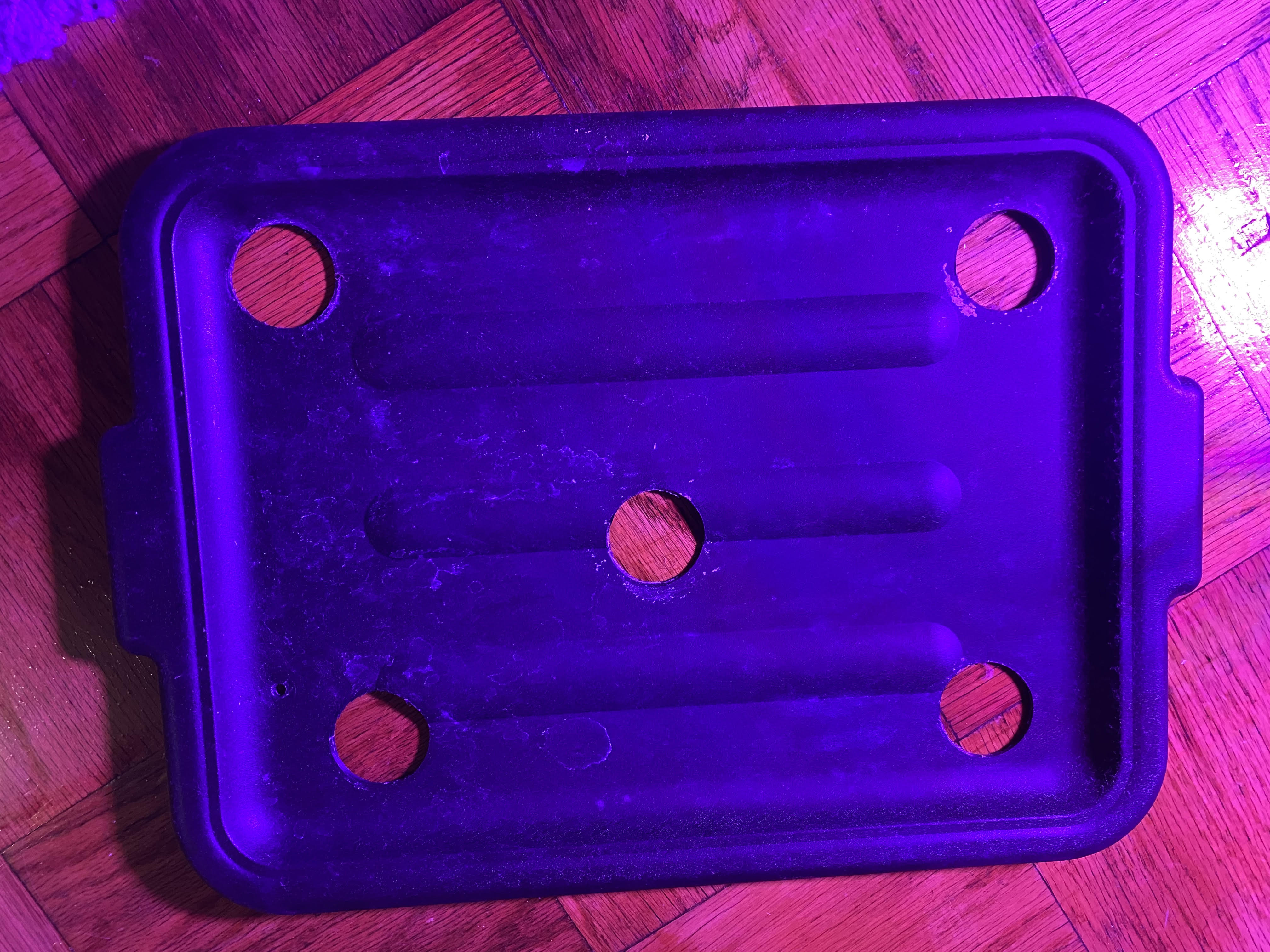
Recently, I created a container deep water culture hydroponic system by re-purposing an old storage container (10 gallons). In deep water culture (DWC) systems, plants sit directly in nutrient-rich water, and an air pump & air stone keeps the water from getting stagnant by blowing bubbles into the water.

It was super easy, and I’ve outlined the steps here so you can construct your own DWC hydroponic herb garden for your home today!

Step 1: Gather your materials (see links at end of the post):

-10-gallon storage tote (or bus box with lid),
-Drill,
-2″ hole saw drill attachment,
-Net pots (2″),
-Coco coir plugs,
-Dry nutrients part A and B for lettuce (also good for herbs),
-Digital EC meter & pH meter,
-Measuring spoon (1 teaspoon),
-Air pump,
-Air stone,
-Herb & lettuce seeds

Step 2: Drill holes into the lid of your storage tote.

5-8 plant sites fit well per 10-gallon container, this spacing will allow your plants to grow to full maturity. Lettuce takes 4-6 weeks to harvest, and cooking greens & herbs take 8-12 weeks. 

unnamed @Hydroponics.NYC

Step 3: Fill the container nearly to the top with tap water & add dry nutrients.

A simple method for making nutrient solution is to take a quart-sized container and fill it nearly to the top with tap water (you can use the water that is already in your tote.) Then, mix a teaspoon of part A and a teaspoon of part B of the dry nutrients until all nutrients dissolve in the water. Add nutrient solution to your 10-gallon container and fill it with tap water until it is nearly full. Measure the electrical conductivity (EC) using the handheld digital reader.

You want the EC to measure 900-1300 ppm (1.5-2.5) to grow most herbs and lettuce, and you can add 1/4 of a teaspoon of each part A & B  and then measure the EC again, repeat as necessary until you reach the desired EC level. After each harvest, check your EC and add nutrients & water when necessary to maintain the 900-1300 ppm (1.5-2.5) range.

*For cucumbers/peppers/tomatoes, desired EC range: 1500-2500 ppm (2.5-3.5).

Step 4: Installing the air pump and air stone

The air pump attaches to the air stone via a small plastic tube (usually provided). Place the air stone in the nutrient solution and the air pump at a higher elevation than the level of the water in your deep water culture system (to prevent a siphoning of water out of your system).

IMG-8632 

IMG-8633

@matthew_gerard_

Step 5: Insert the net pots and coco coir cubes into the holes you cut for each plant site.

You want the bottom of the net pots to be submerged in the nutrient solution, then add a coco coir plug to each plant site.

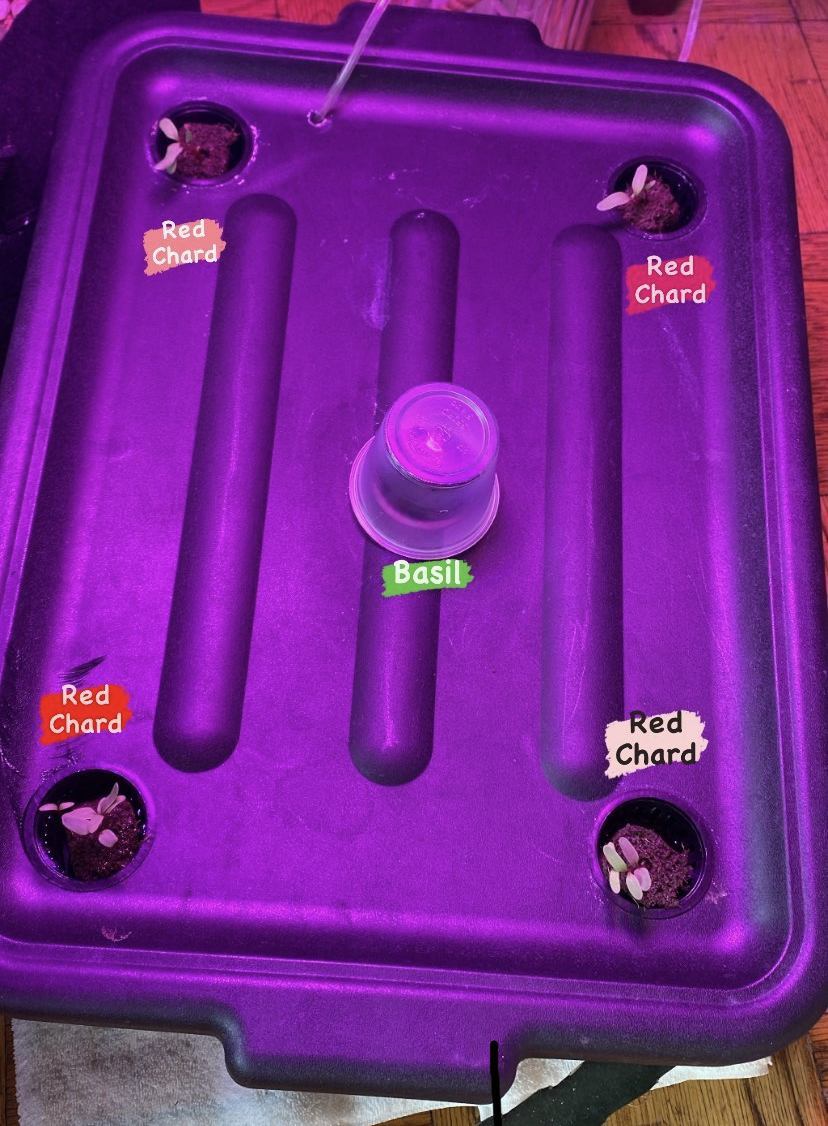
Step 6: Plant your seeds & place them under a light source.
Now you are ready to plant your seeds in each plug (Ideally, 1 lettuce seed per site or 3 herb seeds per site)

*Be sure to place your system under sunlight or an artificial light source to ensure your plants can photosynthesize!

IMG-8627

@matthew_gerard_

Suggestions:
-If it’s summer, consider placing your DWC hydroponic garden outside under direct sunlight, or if one of your windows gets a ton of sun, place it there.

-If you have space under a coffee table, consider using this lamp or installing these lights on the bottom of the table and placing your DWC hydroponic garden under there.

Links to Materials I used:

IG accounts:
@Hydroponics.NYC
@Matthew_Gerard_

IMG-8634

NY Harbor, Jamaica Bay, and the Rockaways’ Fight Against Williams Natural Gas Pipeline — March 23, 2019

NY Harbor, Jamaica Bay, and the Rockaways’ Fight Against Williams Natural Gas Pipeline

A couple of weeks ago, I felt the need to stand up publicly and testify at the New York City Department of Environmental Protection’s (NYCDEP) public comment session on the proposed Northeast Supply Enhancement Project (NESE), also called Williams Pipeline for short, which would transport fracked natural gas via the construction of a 23 mile pipeline that “would run along the Staten Island coast and extend out to four miles off Rockaway” (Santino, 2019).

map.jpg *Note the existing pipeline was pushed through and built after Hurricane Sandy, when local residents were preoccupied with the rebuilding of their homes and communities (Source: NYC Surfrider Foundation).

The NYCDEC has to approve a crucial water quality permit before construction can begin. There is a federal law that requires an environmental impact statement (EIS), to look at the impacts to wildlife and human health before moving forward with projects like this. The first hearing was held on 02/26/2019, in Bay Ridge, Brooklyn, during rush hour, on a weekday, and in a hardly accessible area if you travel by public transportation from the areas that would primarily be impacted by the pipeline’s construction, such as the Rockaways. Not many from my area were able to attend.

FT.jpg Fort Tilden, NYC. @hydroponics.mh

After public pressure on the NYCDEC to have it in an area where potentially affected residents live, there was a second public comment session held just one mile from my home on the Rockaway Peninsula in the auditorium of Rockaway High School for Environmental Sustainability. I felt the irony of sitting in a school devoted to environmental sustainability, and at the same time protesting the approval of such an unconscionably unsustainable project.

I can trace my interest in environmental justice and sustainability back to my first interactions with the ocean and its wildlife as a young kid. My parents took us fishing on the beaches of the Breezy Point Tip, and I was always fascinated by the diversity of creatures I discovered near the sea. I feel blessed and grateful to have been raised so close to this amazing natural area, having found a place among the seagulls, horseshoe crabs, piping plovers, and other enchanting forms of wildlife early in my life. These places are a home to several endangered animals and plants, and are some of the last wild sanctuaries still found in NYC.

oc An oystercatcher in Rockaway Beach, NYC. @hydroponics.mh

Apart from my personal connection to the land and its people, I do, as a graduate from a master’s program in environmental management and sustainable development, understand the scientific review of the potential risks laid out in the draft environmental impact statement conducted by the NYCDEP. With this educational experience, and growing up in the local community, I felt uniquely obligated to testify at the public comment session on March, 6th, 2019. I will not go into the many risks associated with the project here, but will include some helpful resources at the end of this post if you are interested.

Riis Jacob Riis Park @hydroponics.mh

To be honest, there were challenging mental barriers that almost prevented me from testifying. I remember thinking many times, I could be at relaxing at home in my apartment and warm, not walking in the cold to the bus to attend this public comment session. When walking into that building after a long day of work and tired, I remember the thoughts of inadequacy and doubt flooding my thinking when I walked to into the auditorium. Am I really as qualified as I think I am to speak on this?

Yet, I continued to walk to that high school auditorium, to stand in front of a panel of NYCDEC representatives and over 100 of the residents of the Rockaways and other surrounding local communities. Did I mention how much I hate public speaking? I made it short and to the point, as it took over an hour and a half for them to call my name.

My comment addressed the concerns for human health and wildlife when the pipeline is constructed. There would be dredging of sands and sediments off the coast of the Rockaways and Staten Island that are holding and storing safely the industrial toxins of the last century. This action would release toxins like PBCs, heavy medals, and other industrial pollutants into the water column where organisms live and where people swim. The result would be poisoning of people and wildlife that interact with the waters off the Rockaways/Jamaica Bay.

nana “Exploring with my Nana at Jamaica Bay Wildlife Refuge, NYC, on 12/30/13.” @hydroponics.mh
I tell this story not to show off how great of a citizen and environmental advocate I am trying to be, but to point out that we need to persist over the many barriers (mentally and physically) that keep us from speaking out when we know we are qualified and worthy of doing so effectively.

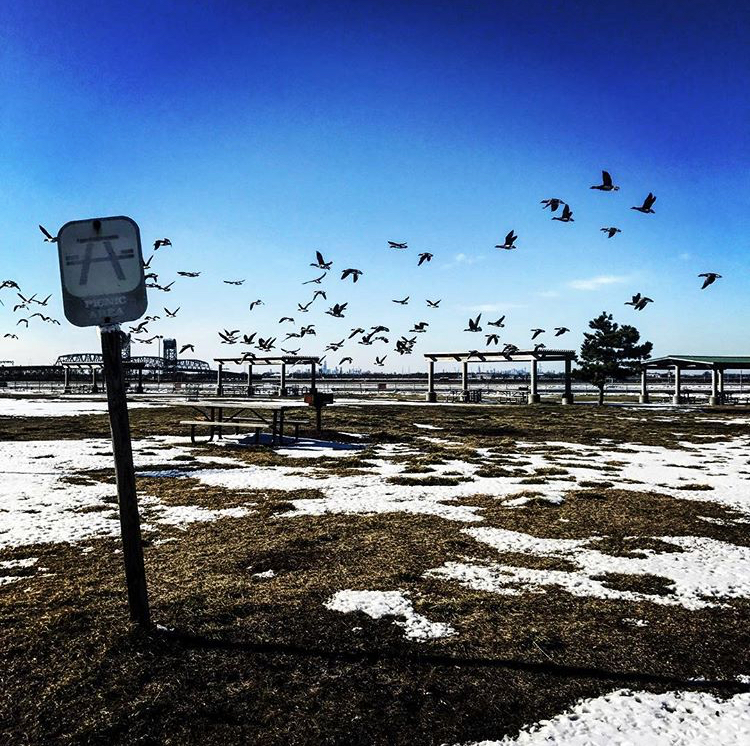
geese.jpg Jacob Riis Park. @hydroponics.mh

Although the comment period has ended, you can still act to oppose the NESE project (see below:)

“Those interested in helping this cause can visit stopthewilliamspipeline.org, call Cuomo at 877- 235-6537 or text ‘RENEWABLES’ to 69866” (Santino, 2019).

Watch this short clip to learn more about the proposed pipeline:
The Fight Against The Williams Pipeline:

Local News Article:
The Push To Stop The Williams Pipeline:

The Push To Stop The Williams Pipeline

Here is a link to an amazing (and my favorite) documentary about how NY Harbor and Jamaica Bay is experiencing positive ecological renewal as a result of the past 20 years of cleaning up the bay and environmental awareness generated through local advocacy, as well as explores the impacts of Hurricane Sandy on a local NYC community, Broad Channel (This natural and inhabited area would all be affected by the proposed pipeline):

Saving Jamaica Bay:

“Life is a garden, not a road. We enter and exit through the same gate. Wandering, where we go matters less than what we notice.” — Kurt Vonnegut

IG accounts:
@Hydroponics.NYC
@Matthew_Gerard_

Empowering Youth to Grow Food: Teens for Food Justice — April 15, 2018

Empowering Youth to Grow Food: Teens for Food Justice

I’m humbled to be volunteering as a mentor to teens at Clinton DeWitt High School in the Bronx with a non-profit organization called Teens for Food Justice (TFFJ). The mission of TFFJ is to create a realistic solution to food insecurity, or lack of access to healthy and nutritious food, by empowering youth to build and maintain sustainable food systems in their community.

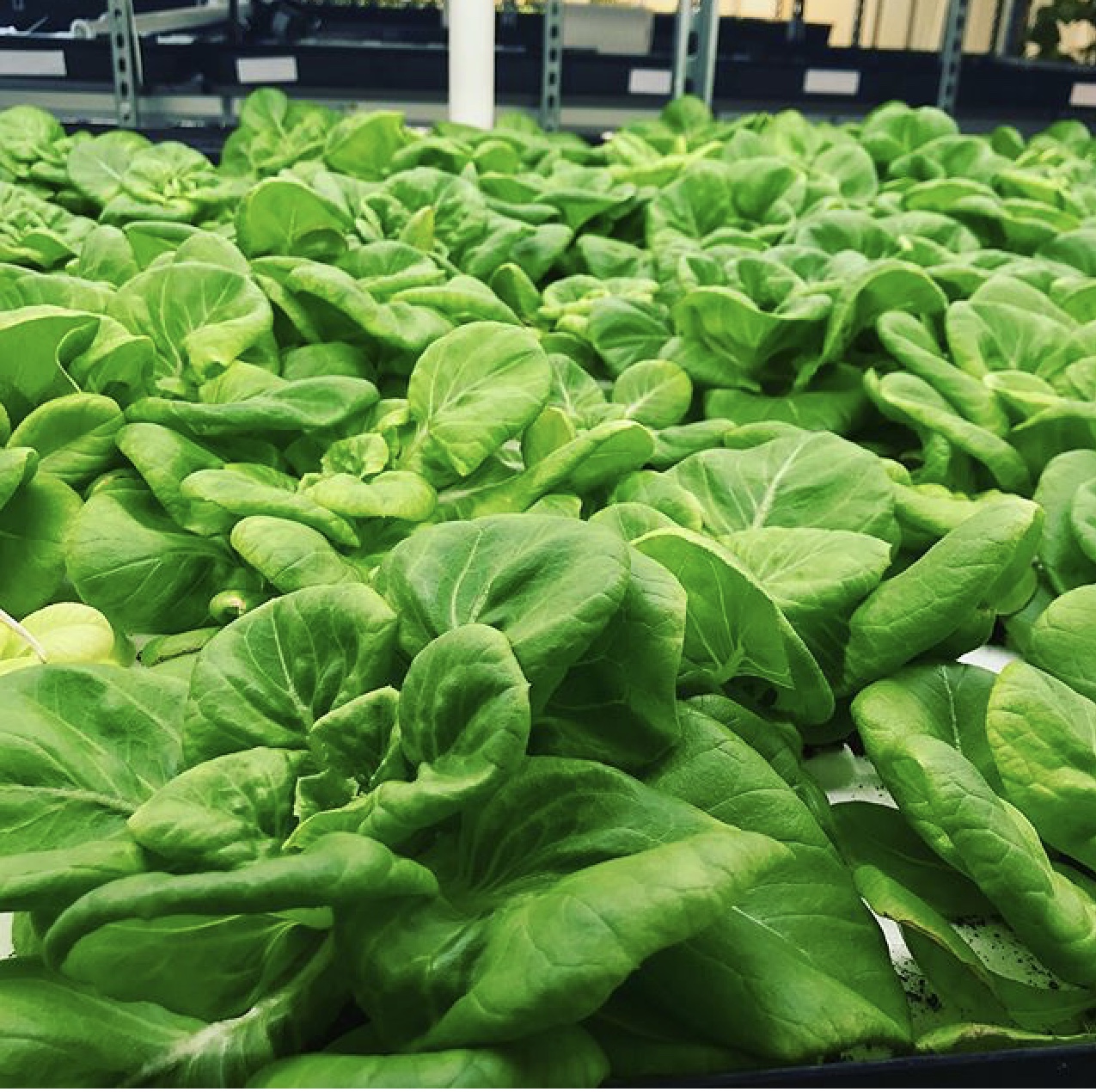
IMG_0680 Lettuce growing at Dewitt Clinton High School in Bronx, NYC. @matt_horgan
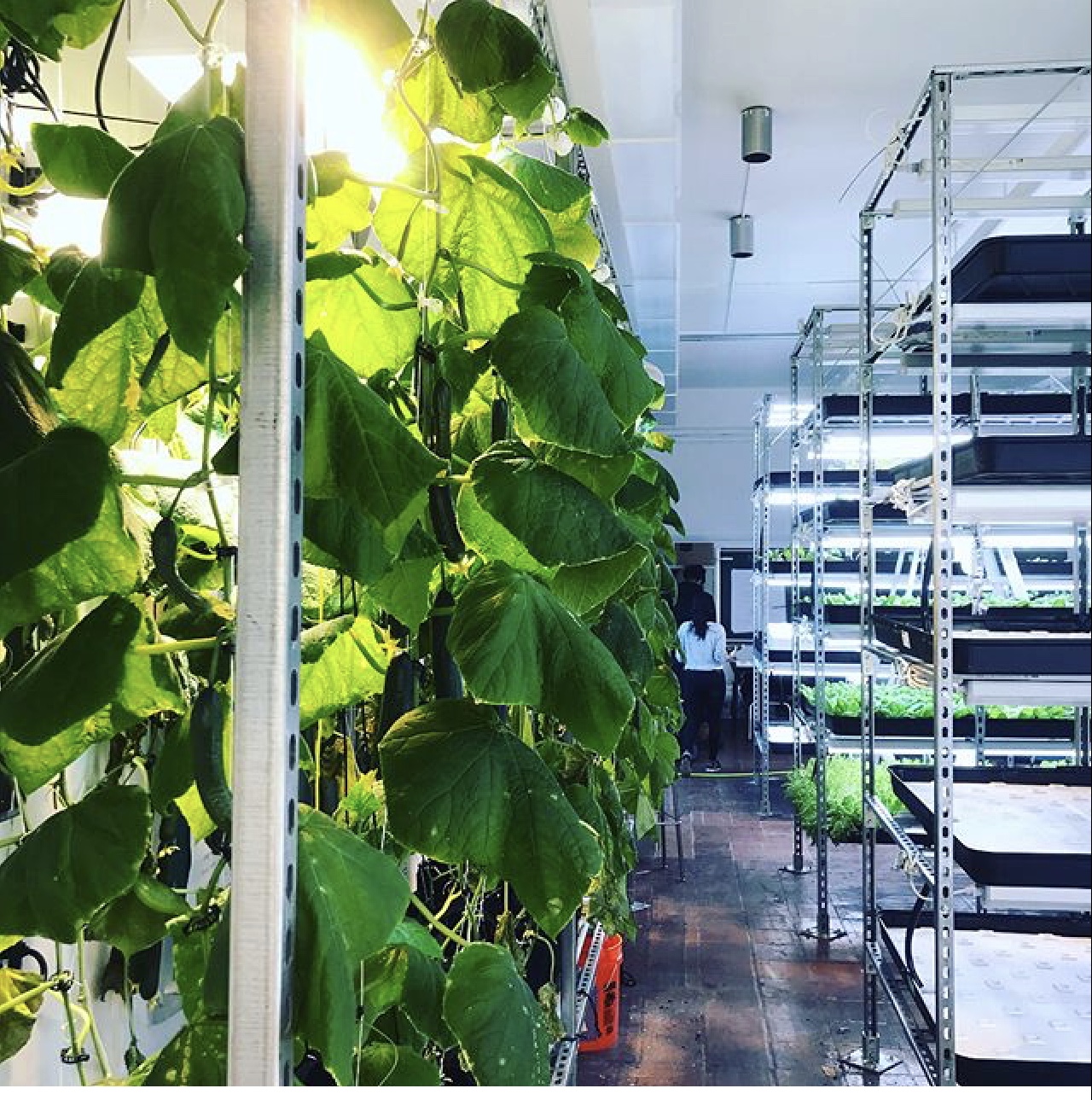
TFFJ leads a team to train students in Title I schools in the unique craft of urban farming through the “building and maintaining of indoor farms that yield more than 22, 000 lbs. of fresh produce annually at each location” in Brooklyn, Manhattan, and the Bronx (http://www.teensforfoodjustice.org/).

IMG_0681 Cucumbers and a variety of leafy greens and herbs growing hydroponically by students at Dewitt Clinton High School in Bronx, NYC. @matt_horgan
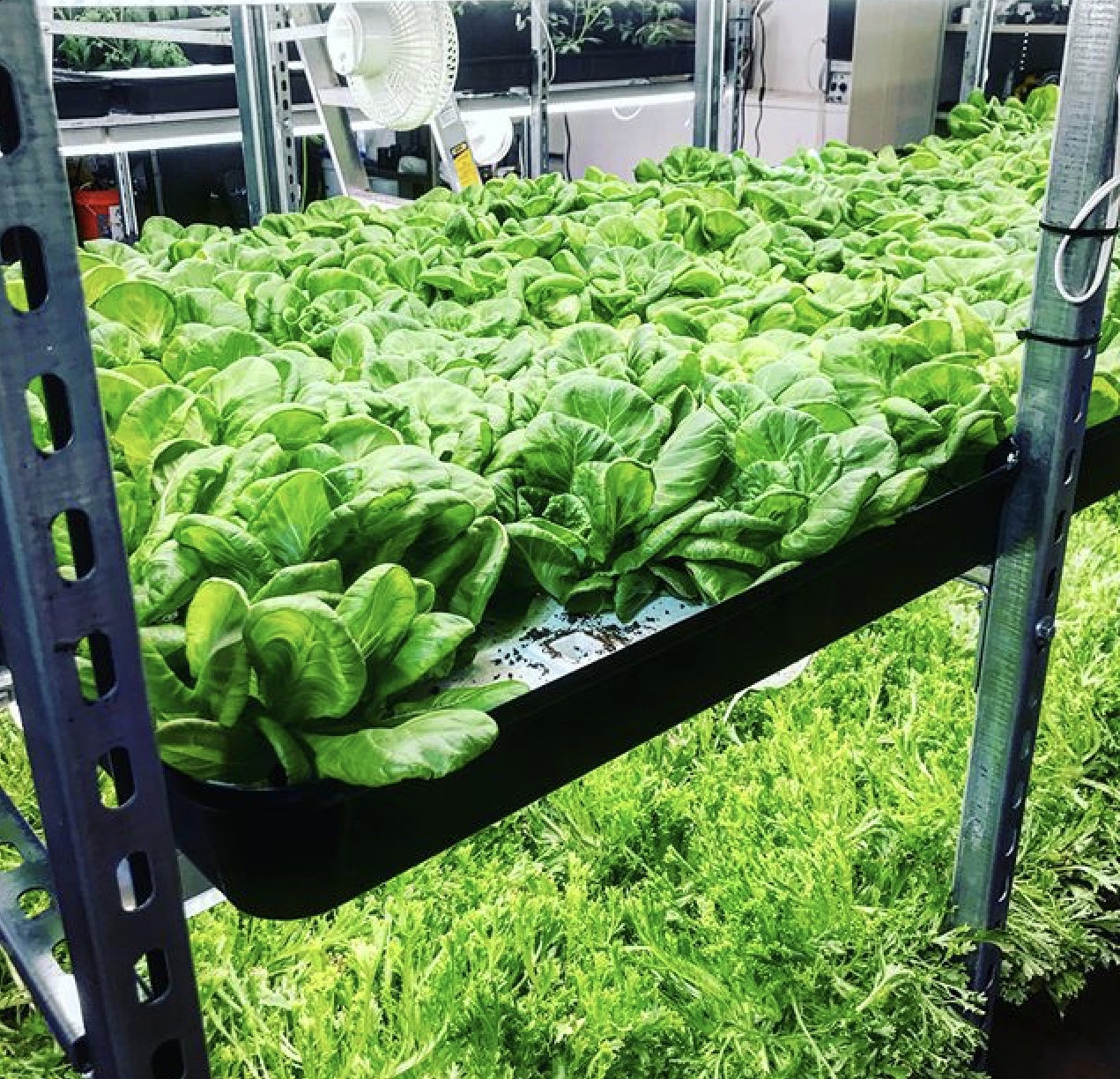
Additionally, these youth-run urban farms are feeding students nutritious and fresh meals in their cafeteria, as well as increasing the food security of the area by distributing fresh produce people in the surrounding local community. There is also a focus on teaching students about advocating for policy on the local, state, and federal levels of government to ensure that funding and other resources are given to increase people’s access to healthy food options.

IMG_0685 @matt_horgan

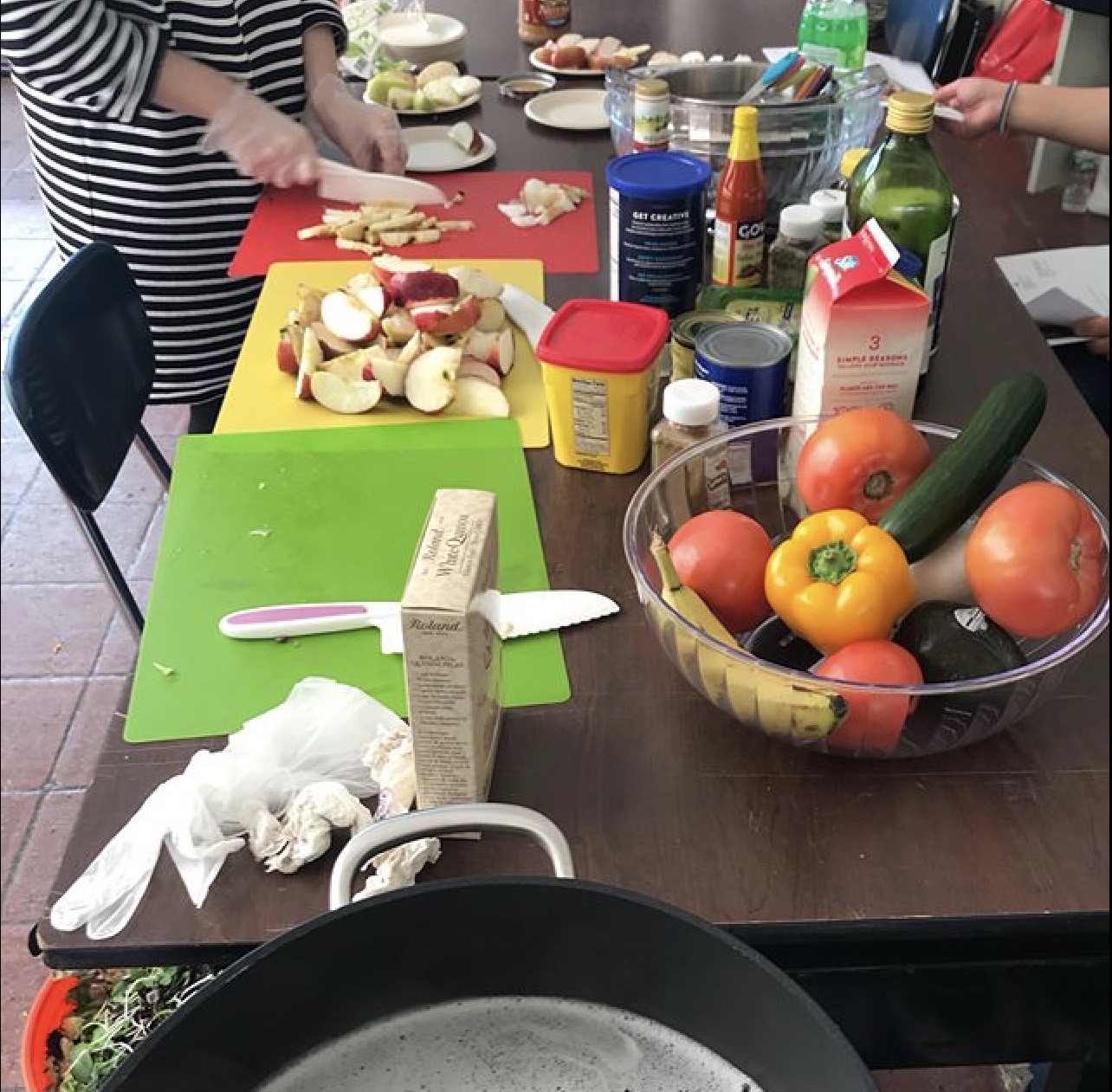
Moreover, the mentorship program I am participating in has been really rewarding. I help facilitate a wide range of activities aimed at teaching the students about creating and sustaining hydroponic systems, advocating for food justice in the policy setting, cooking healthy and nutritious meals.

IMG_0683 Students participate in a cooking challenge to create a veggie burger, chocolate avocado pudding, and pasta salad. (Secret ingredient: parsley grown in the schools hydroponic farm) @matt_horgan

Finally, the students put on a Leadership Conference at Agritecture Consulting where students presented data they collected from surveys they designed and conducted in the community around their school to see what fresh, healthy food was available to stores and restaurants.

See more about becoming a mentor here: http://www.teensforfoodjustice.org/be-a-mentor-2/

If you would like to support Teens for Food Justice, see the links below!

Donate

Instagram: @TeensforFoodJustice

Written by:

Matthew Horgan
MHorgan279@gmail.com
@matt_horgan @sustaineveryone
@hydroponics_nyc
SustainEveryone.com

A Shirf Towards Ecological Agriculture — February 20, 2018

A Shirf Towards Ecological Agriculture

The way we view the world is often a reflection of the paradigm of the day, that is the deepest set of beliefs and assumptions a culture has about any given topic at any moment in time. Needless to say, paradigms do shift over time to create the unique circumstance we see on a daily basis, and sometimes this happens rather quickly.

IMG_2960
The new shift in thinking seems to be towards sustainable urban food production. Photo taken at AgTechX @matt_horgan

Paradigm shifts: Thinking in cycles not lines

One paradigm of today seems to be the perception of our lives as a series of linear processes. We seem to idolize cause and effect relationships whenever possible in daily life and tend to view most of our experiences through this narrow lens without analyzing the entire picture.

dog.jpg

However, thinking of systems in terms of lines tends to be characteristically more predictable and simpler, while systems as cycles are naturally more complex.

natures cycle2
Nature’s Cycle by Virginia Lee 2001  

Shift towards interconnectedness

A personal shift in assumptions I experienced was while I was taking an ecological agriculture class during my time at SUNY Binghamton. My perception of self shifted from the individual, separate self to a more interconnected sense of identity.

muir

Ecological Agriculture: Nature as model

Ecological agriculture is a term used to describe a type of farming that raised food without any chemical or synthetic fertilizers, to create an agricultural system that mimicked ecological systems that sustain in nature.

Screen Shot 2018-02-20 at 3.26.55 PM.png
By: permacultureprinciples.com

The general trend in agriculture since 1950 has been towards large-scale industrial farms that use synthetic fertilizers and chemical fertilizers, but a recent surge in interest in local, organic produce by consumers is causing a paradigm shift in the way we consume and produce food.

Ecological agriculture can be seen in the increased interest in urban farming in recent years. By incorporating sustainable food systems into the built environment, we can improve food security in urban environments.

Screen Shot 2018-02-20 at 2.32.14 PM.png
Sky Vegetables February 2018 By @matt_horgan

We can also use underutilized spaces, like basements, to produce food on land to support the health and to educate our local communities
An example of a hydroponic food system, and what my neighbor calls a “permaponic system”, is seen below (Top: after 6 weeks/Bottom: the before picture).

before:after.jpg
By @matt_horgan

The potential for ecological agriculture to foster a more harmonious coexistence between human beings and the earth, as well as the practical implications for food security and positive impact on local economies leads me to think that this will become ever more present in our city in the near future.

Screen Shot 2018-02-20 at 2.44.51 PM.png
By @matt_horgan While walking to class at CUNY Brooklyn College, I saw this incredible urban food garden someone created on their front lawn 🙂

I look forward exploring ecological agriculture more on this blog in the future 🙂

A Collaborative Space for Urban Farming — February 4, 2018

A Collaborative Space for Urban Farming

The key to success is collaboration: an idea so simple that it is often dismissed by introverts, like myself. It is easier to stay in my comfort zone than to venture out into new environments.

Recently, I couldn’t help but wonder, who else is asking similar questions as me in NYC?

Screen Shot 2018-02-04 at 10.46.02 AM

Specifically, which organizations, if any, were already established in the realm of urban farming here. I searched the internet ambitiously looking for any NYC-based organizations related to this topic. To put it simply, urban farming is the growing of food within cities, usually incorporated into the built environment. (See below image of my neighbor’s hydroponic system in a basement in Queens, NYC).

Screen Shot 2018-02-04 at 10.48.00 AM

Eventually, I came across a class titled ‘Building an Urban Farm Business Plan’ that is run by AgTechX. The founders of AgTechX, Ricky Stephens and Henry Gordon-Smith, are about connecting individuals looking for opportunities “at the intersection of urban agriculture, technology, and sustainability” (https://agtech-x.com/). The Co-lab they run in Brooklyn provides a space for those of us interested in getting involved in urban farming in NYC and holds classes in hydroponics and aquaponics. Members work to build a more sustainable food system right here in the dense urban jungle of NYC.

Finally, I imagine myself working somewhere at the intersection of sustainable food and education in the near future, and the team at AgTechX is a great place for me to meet people who could, at the very least, point me in the right direction.

See below a picture of hydroponic systems over at AgTecX’s Co-lab in Williamsburg, Brooklyn.

IMG_2577 copy

After my trip over to Brooklyn this week, I’m inspired to see a group of dedicated and passionate young people interested in urban farming. In the coming weeks, I am going to explore the classes given by the team at AgTechX with the intention to learn more about the logistics of hydroponic and aquaponics systems in NYC. This will also be an ideal way to connect with like-minded individuals in this emerging field.

To learn more about the collaboration among the urban farming community in NYC visit:
Website: https://agtech-x.com/
LinkedIn: https://www.linkedin.com/company/agtech-x
Instagram: @agtechx
MeetUp: https://www.meetup.com/AgTech-X-NYC-Meetups/

Follow my Instagram accounts for more urban farming/nature photos:
@matt_horgan @SustainEveryone @Hydroponics_NYC

Relaunch: New Blog Name “Sustain Everyone” — February 1, 2018

Relaunch: New Blog Name “Sustain Everyone”

Hello there! I recently decided to change the name of this blog (Sustainable Future through Food) to Sustain Everyone with the intention to explore existing urban farming throughout NYC and to inspire people to become actively engaged in organic urban food production. I hope you will follow along with me on my journey as I discover the beauty of small-scale organic urban farming in New York City.

I’m an aspiring environmental writer, who was born and raised in Rockaway Beach, NYC and I’m passionate about finding a healthy way to live sustainably within the natural world. My studies in the environmental field brought me to Upstate New York, Texas, France, Vermont, and Costa Rica. During this time, I grew to see the potential for urban farms to increase people’s access to healthy and nutritious food within cities. More recently, I became fascinated by hydroponic systems and their ability to produce food quickly using no soil, little water, and marginal nutrient inputs. Urban agriculture is an ideal solution for the issue of food security in cities, which is why I see it as more crucial today.

Follow me on Instagram 🙂 @Matthew_Gerard_ @Hydroponics.NYC

Archive: Follow “Tres Piedras Ecolodge Reserve” Blog: Here’s Why — March 23, 2016

Archive: Follow “Tres Piedras Ecolodge Reserve” Blog: Here’s Why

Many consider writing to be one of life’s greatest forms of expression. It offers an outlet to portray one’s ideas clearly and effectively to the reader. For almost a year now, I have found pleasure in writing about various topics relating to food and the environment on this blog, Sustainable Future Through Food. I plan to continue doing this in the future, but for the moment I will be focusing my attention on starting and maintaining a new blog called Tres Piedras Ecolodge Reserve. As I am just three weeks into my 6 month long internship in Tres Piedras, Costa Rica, I am realizing the power of blog writing for the outreach goals I laid out in a previous post. Consequently, I will be writing on a new blog page (TPEcolodgeReserve.wordpress.com) to share my experiences living and researching in the wilderness of Tres Piedras, CR. The blog will also serve as a platform for raising awareness for the property where I am doing my research, and eventually it will be available for other researchers, students, professors, and ecotourists to express their feelings, adventures, and experiences here at the Tres Piedras Ecolodge Reserve (TPER).

Here is the first post from the new blog site TPEcolodgeReserve.wordpress.com titled:

Jungle Internship: Tres Piedras Ecolodge Reserve
Often we find ourselves in situations where it is hard or impossible to predict what will be. This condition can easily promote anxiety about our future and what it will bring to us (or what we will bring to it). At the same time, circumstances like this can invoke curiosity and a sense of opportunity. While traveling to Tres Piedras, Costa Rica to complete my last semester research internship of Saint Edwards University’s Professional Science Master’s in Environmental Management and Sustainability, uncertainty and not knowing what to expect became quite familiar to me. Even though I had traveled to Tres Piedras in the past during my Bachelor’s degree (to study tropical ecology for the month of July in 2012, and to volunteer in reforestation efforts for the month July in 2013), I was now going back to the same site to carry out my own independent scientific research project for 6 months in a remote tropical ecosystem with one of my peers, Tessa Rager. The ambiguity of what we were getting ourselves into for the next half of a year was amplified by the fact that my undergraduate university has not traveled to the property for almost three years. Despite all of my uncertainties beforehand and on the journey here, I am extremely content and excited about the prospect of carrying out my research project, as well as helping the new property owner develop an organization that will conserve this (about 150 acre) slice of tropical forest in Tres Piedras, Costa Rica.
As I wrote in a previous post on my other blog site,(SustainableFutureThroughFood.wordpress.com), the property where Tessa and I are conducting our research has an interesting history of students, professors, and environmentalists all using this property over the last 20 years to teach ecology, initiate reforestation in the region, and conduct scientific research studies (among a variety of other projects). Now, a local resident, Maricel, is in charge of the property, and she wants to see this land conserved through the implementation of some sort of ecotourism on the site. This left a lot of room for Tessa and I to brainstorm during out first two weeks here about how to attract ecologically-minded people to this property, which consists of a secondary and primary tropical forest and four cabins on site.
During our first week, Maricel and her family were extremely welcoming and made sure we had everything we needed in the main cabin, which is fully equipped with a kitchen and bathroom. Maricel knew we have our own research projects to carry out and that we are willing to help her with outreach and development of some sort of conservation organization, but I sensed she did not know what to expect from us either. After a few days of adjusting, Maricel, Tessa, and I sat down to find out exactly what would be helpful from us to conserve this land, while at the same time produce some sort of a living to Maricel and her family. This revenue from the property has the potential to keep her, and possibly her family, from having to travel all the way to Dominical (located about 40 minutes by car from Tres Piedras) to clean tourists’ homes.
Thus far, Tessa and I have completed a variety of tasks for the goals we set forth for the property. Before anything, we had to make sure all the trails on the property were cleared of vegetation, as to allow us to move through the forest somewhat easily, to survey the property for ideal sites for our independent research projects, and simply to enjoy hiking in the jungle on our downtime. At the same time, we started a compost pile for our organic food scraps. Our hope is to start building a structure to provide shade for a vegetable and herb garden we would like to create on a part of the property where there is direct sunlight. It is too hot to grow vegetables without some sort of covering for shade, so we plan to use these metal poles that were left on the property by the previous owners and some screen we also found in the shed. Currently, we are working on developing an official website for the property, which we decided to call Tres Piedras Ecolodge Reserve (TPER). The goal is to get the name out there with the intention of providing a place for adventurous travelers to come and enjoy the natural beauty of the tropical forests here. The facilities are already in place, so raising awareness of this place as a spot for ecotourism and attracting people with an interest in this type of experience are our main goals.
One of the major points of interest on the property is the tropical secondary and primary growth forests, both of which are accessible by maintained trails. The forest has a tremendous amount of biodiversity, which makes it ideal for ecotourists, birdwatchers, ecologists, researchers, environmentalists, and anyone else interested in spending time the natural world away from the distractions of big cities. The surrounding village of Tres Piedras is mostly agricultural land, making the property we are living on even more special and more important ecologically. If we can bridge the gap between the current environmental benefits of the forested land at TPER and the potential for socioeconomic benefits to the local residents through ecotourism, there is a huge opportunity to conserve this ecologically sensitive ecosystem.
Moreover, getting here was quite hard without a car, as Tessa and I realized when we decided to venture into the nearest city of San Isidro en General. For this reason, Maricel’s brother offered to pick us up when we arrived on our first day with our heavy backpacking backpacks. To get to the city from Tres Piedras, we have to walk one hour catch the 6am bus at the closest community of San Juan de Dios. Then it is about a 45 minute bus ride until you arrive in the small city of San Isidro en General. Since the bus from San Juan de Dios to San Isidro en General only runs on Mondays and Fridays, we stayed overnight on a farm close to San Isidro to get some rest and visit Tessa’s boyfriend, Victor. He is working and learning about agriculture in the tropics at Finca Armata. The next morning we caught the bus to Platanillo, which is about a three hour walk to Tres Piedras (on a Tuesday when the bus does not run to San Juan de Dios). Luckily there were two people who drove us the majority of the way when they saw us walking along the dirt road. One fact about Costa Rica that becomes particularly noticeable when traveling by foot is that the land is rarely flat because the country is dominated by mountainous terrain. It may sound like a lot of work to get here without a car, but for me the cost in energy is rewarded ten-fold when I return to such a secluded and peaceful tropical environment (though it would be nice to have a car of some sort).
Despite the anxiety and uncertainty clouding my thinking on my journey here, the opportunities that are available to me here at Tres Piedras Ecolodge Reserve are more than enough to keep me busy for 6 months. In addition to quantifying and comparing the biomass (or trapped carbon) in the secondary and primary forests on the property, I will be working closely with Tessa and Maricel to attract visitors to the region through ecotourism in an attempt to conserve the land and create socioeconomic benefits for Maricel and her family.

If you are interested in seeing photos of the site and learning more about us, like us on Facebook “Tres Piedras Ecolodge Reserve” and follow us on Instagram “Tres_Piedras_Ecolodge. Once the website is complete I will update this blog post. Also, follow my new blog page TPEcolodgeReserve.wordpress.com

Archive: Can traveling the globe ever be considered sustainable?  — November 23, 2015

Archive: Can traveling the globe ever be considered sustainable? 

Sometimes I grapple with finding a justification for traveling such long distances in relatively small periods of time for my education. As a graduate student in a program with international components and as an environmentalist, I cannot overlook the tremendous amount of energy it takes to travel to new places. Whether it be going on week long class trips or moving to a new city to study, the transportation environmental costs are tremendous. Despite the expenses associated with traveling, I tend to think it is worthwhile if your travels have a beneficial impact on your local community when you return to the place you call ‘home.’ Still, I ask myself, “Can any form of global travel be considered sustainable?”
For the first time in our species’s history, carbon dioxide has surpassed 350ppm. This greenhouse gas, along with methane and a few others, are contributing to a rapid increase in average global surface temperatures. The major implications associated with climate change are unpredictable weather patterns, increased frequency and intensity of extreme weather events, rising sea levels, more climate refugees, and species extinction on a scale humans have never before experienced in history. The wide ranging impacts of climate change are difficult to comprehend for many, and this is one of the causes of delayed action by politicians around the world. Knowing all of this and still traveling seems to be irresponsible for anyone trying to impact the environment in a positive way.

Yet, I am currently on a bus for the next 6 hours with my fellow classmates from St. Edward’s University, traveling from Angers, France to the north of France to study marine biodiversity. My peers are also astonishingly environmentally aware people who make great strides to have positive impacts on the natural world. Additionally, the people in making decisions for this Master’s degree program in Environmental Management and Sustainability, I assume, are environmentally conscious individuals. So what benefit could be behind this trip to the north of France (and to Angers, France more broadly)?

The educational benefit could not be overlooked in this situation. We will be learning valuable information about ecosystems, sustainable development, environmental pollution monitoring, and more topics that will be applicable to our future goals to help the planet in the career paths we choose to take. Education is our most powerful tool against most of the challenges we face on a daily basis. No meaningful change can arise without knowledge of the right action to take. The objective to become an educated human being, however, is not sufficient to justify such extensive travel.

Furthermore, we must have an intention on taking what we learn from our traveling and applying it to a local community in need of support economically, socially, and/or environmentally. For me specifically, it is not enough for me to learn about ways to build more sustainably and live a lifestyle that benefits the planet. What I learn on my journey ought to be shared with others and put into practice if it has the potential for a great impact on society, the environment, and/or the local economy. This may start on a global scale when traveling to acquire knowledge and new perspectives on the world’s problems, but it should always end on a local scale where these new ways of thinking can be implemented to benefit society and the environment.

On the other hand, the way we travel today is unsustainable even if you have good motives, like environmental education. We require mammoth amounts of fossil fuels to transport ourselves to far away destinations across the globe. The production, maintenance, and use of vehicles and transportation related infrastructure is dependent on a fossil fuel economy. Until it becomes more convenient to travel in a way that does not threaten global health, we will continue to choose to travel via unsustainable means until we can no longer afford the environmental and economic consequences of such actions. There is promise for the future in the realm of renewable energies and sustainable development for travel to become more environmentally friendly, but we must move definitively faster than our current pace if we want to avoid a climate crisis by raising the average global surface temperature above 4 degrees Celsius.

So, can any form of global travel be considered sustainable? Despite being torn between the answer to this question, I would still answer yes. When you travel to another country and experience another culture, you gain a new perspective on everything you thought to be truth. It challenges your most inner convictions. If you have the opportunity to gain perspective on a social, economic, or environmental issue while traveling, this experience can help you in the future when you are trying to solve the complex problems facing the world today in your career. Individually, travel benefits are immediate, but for collective society the benefits might take longer to come to fruition. The act of traveling can induce a kind of expanded consciences, therefore the traveler has an obligation to share his or her experience with the local community to which they belong. The inspiration for beneficial changes may not always start at home, but ultimately and ideally the idea of beneficial change that was gained through international travel should inspire you to go out into your community and have a profoundly positive impact.